Letters From the Cellar
2025
January 2025 | March 2025 | June 2025 | September 2025
| December 2025
2024
January 2024 | April 2024 | August 2024 | November 2024
2023
January 2023 | February 2023 | May 2023 | June 2023 | July 2023
August 2023 | September 2023 | October 2023 | November 2023 | December 2023
2022
June 2022 | July 2022 | September 2022 | October 2022 | December 2022
December, 2025
With another passing year, I am filled with gratitude to continue to be a part of the magic of Stony Hill. As the final leaves fall with the December rains, I am taking time to reflect on all that we have accomplished in my time here.
Immersed in the daily work, the seasons pass by as we are swept up in them, but it is important to take a higher-level view to see the path we’re charting. Winegrowing is a slow process that requires continuity and dedication. Thousands of small details in the vineyard, and countless moments caring for the wines, make them what they are. Wines from the classic 2023 vintage are now all in bottle and will be a delight to continue to share with you over the coming year.
The wines from the 2025 vintage are shaping up to be classic representations of Stony Hill. With a talented and dedicated team in the vineyard and cellar, we deftly navigated that varied weather and we are excited to take stock of what we’ve done in the new year. Each year of learning strengthens our intuition for how to translate this place, and the year, into the wines in your glass.
I want to thank you for your continued support of Stony Hill; we are always working to earn it. I hope you and your families are having happy holidays.
With Sincere Gratitude,
Reid Griggs
Winemaker, Stony Hill
RETURN To THE Top
September, 2025
It is an honor to write that I am now approaching my third vintage here, my third year of study and reverence at Stony Hill.
I am learning how the vines in each parcel respond to the specific demands of the year: where budbreak happens first, and where the last pick is sure to be. I know where the best blackberry bush is, and have learned how many days the perfect blackberry is from the Cabernet Sauvignon getting ripe. And how the old secret fig tree—tucked away by the barn—produces spectacular fruit just a week before the Merlot is ready. I know how the predawn light hangs over the vineyard on crisp September mornings. I see how these vines work in quiet chorus all year, suspending each day’s sunlight in that year’s rainfall, drawn up by the roots reaching deep into the mountain.
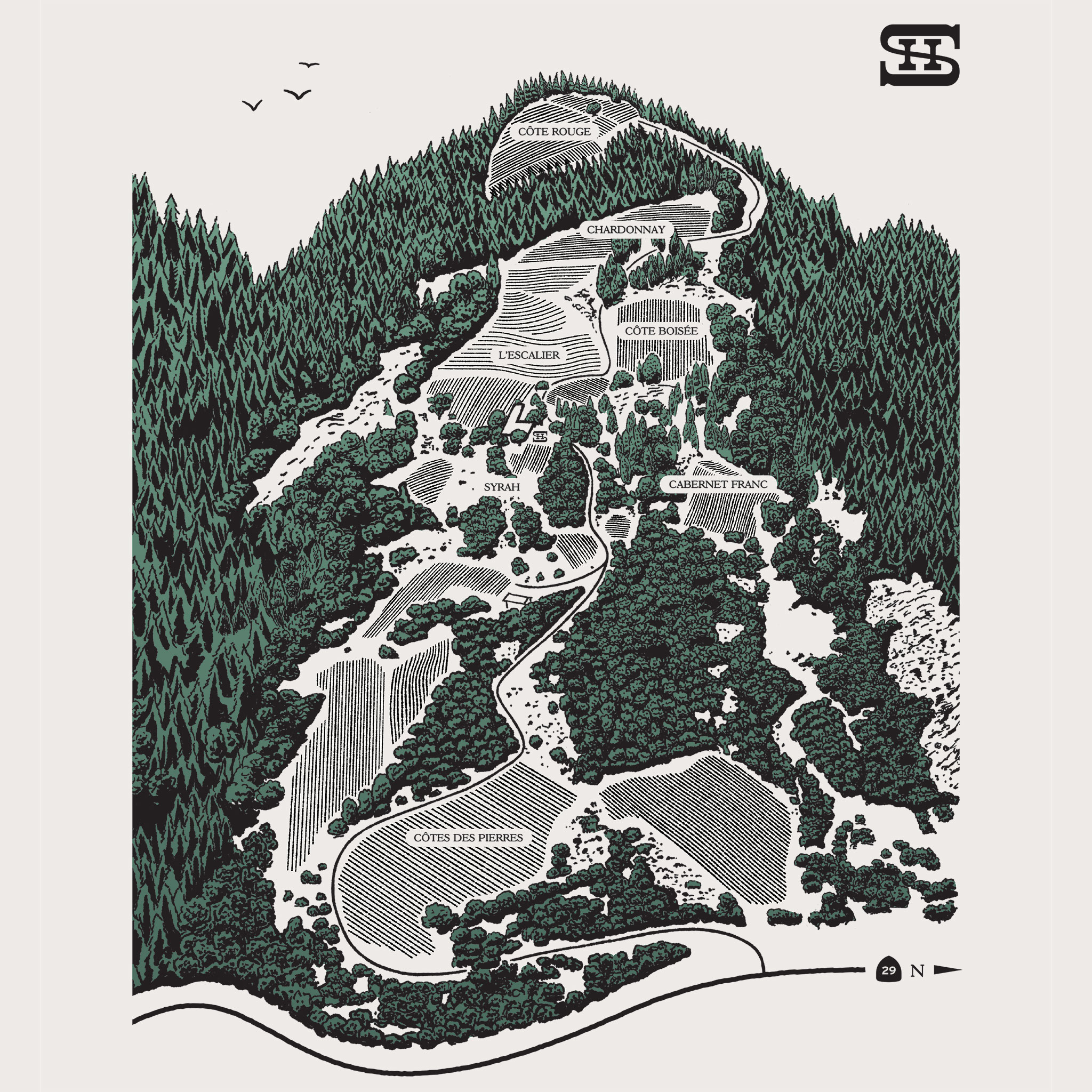
Stony Hill has captured the hearts of generations, by producing wines that could only come from here, a world away from the valley below. This land spills down from Spring Mountain on a finger carved by both Mill and Ritchie creeks and centuries of rain. The ancient road over the mountain drives through the estate, riding the ridgeline through gentle north-facing slopes that abruptly drop off into boulder fields, through easterly terraces carved into the mountain bathing in morning light, and finally up to a pocket of vines hidden in the forest, glancing west. These steep and wild lands are home to 40 acres of postage-stamp vineyards that dot the hillsides, like faces on the prism of Stony Hill’s light that each cast a distinctive hue. From our first tasting of the wines from each parcel it was clear: the Cabernet Sauvignons of Stony Hill reflect the distinctive terroirs here.
Crowning the estate at 1,500ft is the Côte Rouge–held on all sides by the verdant redwood forest, vines planted amongst Bracken ferns and Douglas iris. The deep red, iron rich soils here are derived from millennia of weathering of the ancient volcanic bedrock just below it. At the lower gate, between 600-800ft, lie the Côtes des Pierres. These boulder fields are home to vines nestled among grasses, blue oaks, and contorted madrones. Just as these terroirs are home to distinct plant species, the Cabernet Sauvignons that come from them whisper of their singular origins, their unmistakable pedigree.
Today I humbly present you with two very special wines that represent our deepening commitment to making wines that could only come from this place. The 2022 Côtes des Pierres and 2022 Côte Rouge will bring you tremendous enjoyment now and will continue to gain in complexity for many years to come.
We are just getting started. Thank you for being part of the story of Stony Hill.
Sincerely,
Reid Griggs
Winemaker, Stony Hill
RETURN To THE Top
June, 2025
This is my favorite time of year. Months of short, restless days of alternating rain and sunshine are ceding to blue skies as days grow longer. Quietly at first, buds break in the vineyard, and in the blink of an eye we are awash in a sea of green again. Vines reach for the sky, capitalizing on the ephemeral soil moisture from steady winter rains and newfound light.
While some vines at Stony Hill will bear their first fruit in 2025, others have been producing fruit for more than 70 years—planted both by the forebearers of this dream and the newest stewards of this place. It is impossible not to be moved by the ever-present history here.
This offering is a bridge between eras. The 2013 Stony Hill Chardonnay is a stunning example of the ability of this wine to age, and a reminder of why the Stony Hill name is revered. The 2022 SHV Ink Grade Cabernet Sauvignon is the final wine from our time revitalizing the vineyards here—a beautiful expression of mountain Cabernet that links our past and future. In the fall, we will release our new Stony Hill Côtes series of Cabernet Sauvignons from the estate.
Sincerely,
Reid Griggs
Winemaker, Stony Hill
RETURN To THE Top
March, 2025
Stony Hill Chardonnay has been produced from this estate since 1952, with the first vines being planted in 1947. The storied and revered legacy was built one vintage at a time—and one bottle at a time—over generations. I am honored to be a small part of the genealogy of this place, to work with these vines that come from the original vine material that the McCrea family selected from Wente vineyards. It is a privilege to share the latest release in this unbroken chain of wines from the property, crafted from fruit grown on a forested bench above the estate at 1,000ft in elevation on Spring Mountain. It is a wine of place made in the signature, understated Stony Hill style.
As we have worked to revitalize the property and add to the story that those before us began, we have produced two vintages of Cabernet Sauvignon from Linda Falls Vineyard on Howell Mountain. This site, perched high on the mountain with undulating hills, makes wines that are savory and rich, yet remain light on their feet. Linda Falls Vineyard was planted by the Heitz family and has been made exclusively by Heitz Cellar—until now, with Stony Hill. We’ve released these limited wines under the SHV label, a tradition carried on from the McCrea family. e SHV label was used when producing wines with purchased fruit during times of vineyard redevelopment. This is the second and final release from Linda Falls Vineyard. These special, limited release SHV wines carry on the tradition of the Stony Hill ethos: to reveal the place where the fruit was grown.
I hope you enjoy them as much I we do. Thank you for continuing to be a part of the story of Stony Hill.
Sincerely,
Reid Griggs
Winemaker, Stony Hill
RETURN To THE Top
January, 2025
A New Cycle Begins
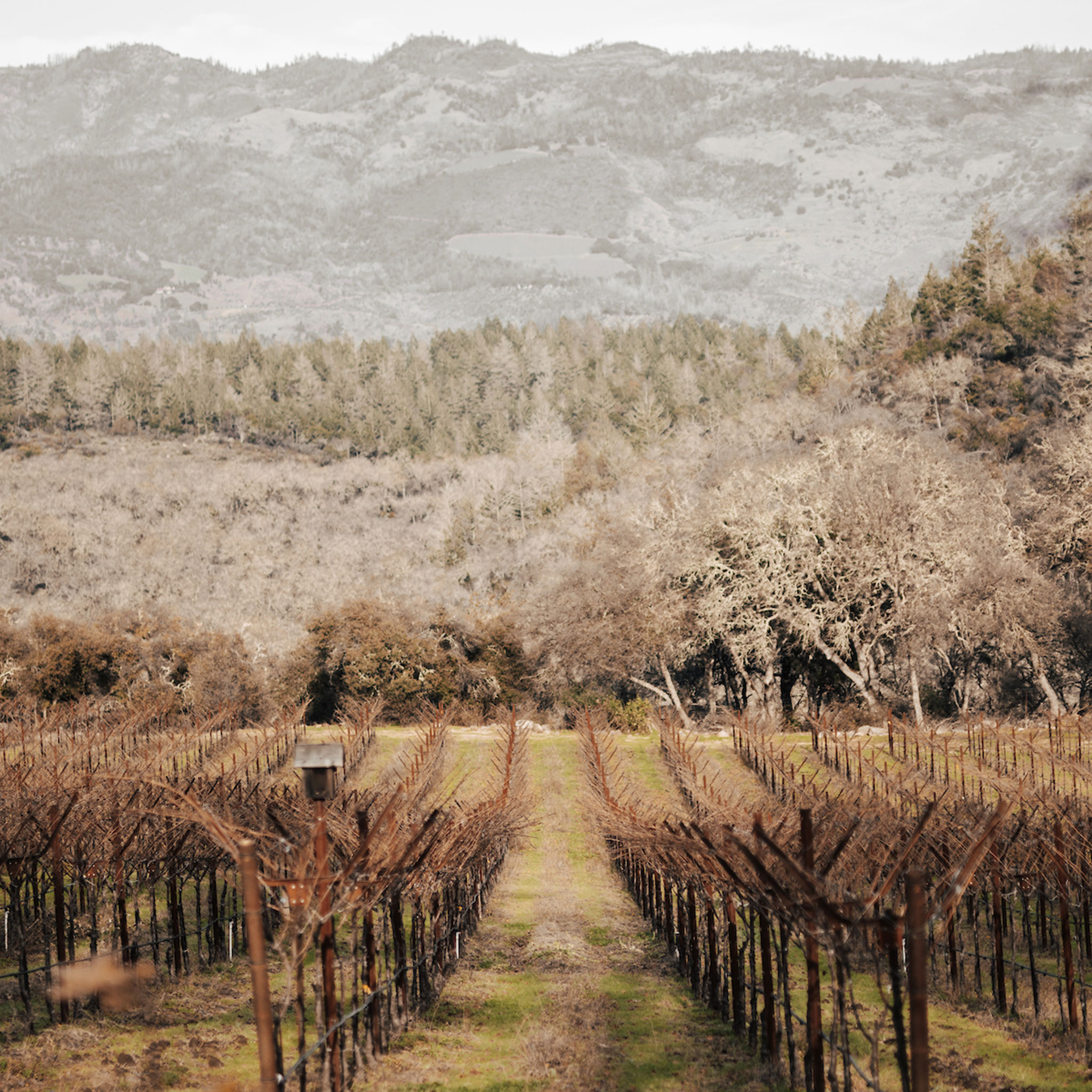
I am writing to you from a crisp, vivid January day here at Stony Hill. During these recent days of little light, the morning mist has clung to trees in the surrounding forest all day. Today, however, the soft winter sun casts long shadows from skeletal trees, as the last stubborn leaves flit in the breeze. Dawn came a few minutes earlier than yesterday, and each day of increasing light heralds the start of another cycle at this special place.
As the vines lay dormant, we are in the cellar unearthing the previous vintage. The 2024 wines are getting their first breath of air after their transformation in the fall from fruit to wine and we are becoming reacquainted with them in the process. As we meet these nascent wines in earnest for the first time, we begin to see reflections of the year they were born. They are concentrated, colorful, and lithe, from a winter with sufficient rain and a warm dry Napa Valley summer that seamlessly became a cool fall. Slowly, day by day, movement by movement, we are getting a glimpse of what they might become.
Hard as it is to believe, soon the days will be filled with light, the now leafless vines will be green and stretch towards the summer sun. In the cellar it will soon be time to bottle again, in anticipation, we have begun blending the 2023 Cabernets. Last year at this time while tasting through all the 2022 wines from individual parcels, it became clear that they naturally grouped, not by variety, but by the distinct places where they were grown.
2022 Côte Rouge and 2022 Côtes des Pierres
As you travel up the ridgeline at Stony Hill between Mill and Ritchie Creeks, the property rises from 600 to 1500ft, with small parcels of vines scattered across a series of slopes. The soils at the lower elevations are comprised of volcanic colluvium, interspersed with pockets of clay loam, while the higher reaches of the property are capped by red residual soils derived from iron-rich volcanic bedrock. These distinct soil types are the foundations of separate biospheres on the property and disparate plants and trees thrive in each zone. All the wines are unmistakably Stony Hill, yet each unique slope imparts a distinctive character, like the same Stony Hill light seen through different lenses.
The first vintage of this new era of Cabernet Sauvignon from Stony Hill—honoring the diverse beauties that arise from each slope of this quiet corner of the mountain—will be released in the fall of 2025. Our 2022 Côte Rouge, from the iron-rich volcanic soils crowning the property, and 2022 Côtes des Pierres from the rock-strewn slopes at the base of the property, are not to be missed.
We look forward to sharing these wines with you.
Sincerely,
Reid Griggs
Winemaker, Stony Hill
RETURN To THE Top
November, 2024
Harvest Gratitude from Stony Hill
Stony Hill’s 2024 vintage is now resting in barrel, quietly undergoing its transformation to become finished wine. The warm summer gave way to drawn out periods of cool weather, giving me time to pick the right moment to harvest each vineyard parcel. We began picking in late August with Chardonnay and finished in early October with Petit Verdot and Cabernet Sauvignon from the coldest part of the property. The 2024 wines are at once fresh and rich, and the red wines have a tremendous depth of color. I cannot wait to get to know them better, to see what they become, and share them with you.
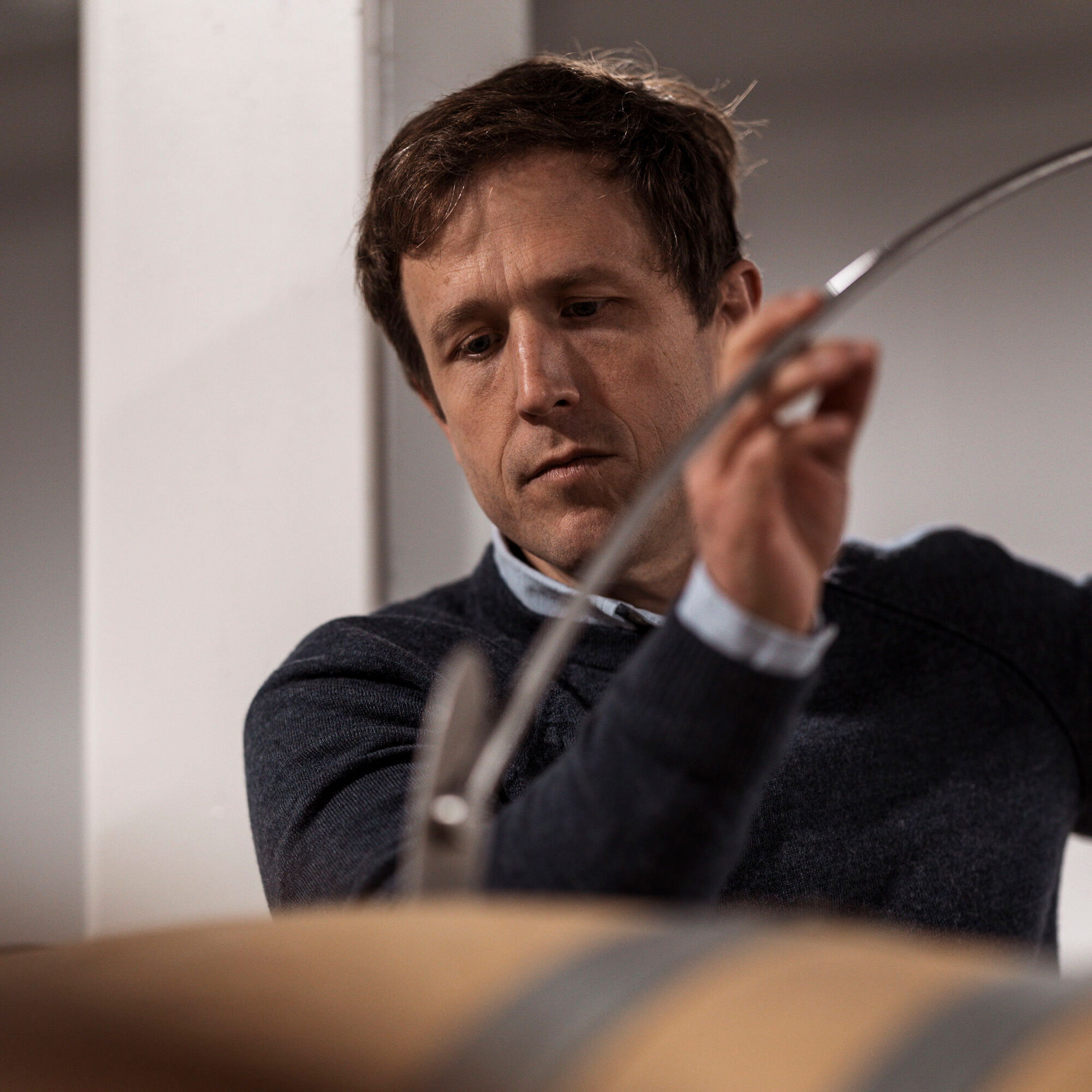
As ever, it was a privilege to spend another year with the vineyards at Stony Hill and build on what we’ve learned in years past to make something worthy of this place. There is no recipe in the way that I make wines, but my most reliable tool is steadfast attention paid to the subtle changes happening day to day in the vineyard and in the cellar. In the lead up to harvest, I taste the fruit, morning after morning, alone in the vineyard before dawn. In this way, I hope to capture the fleeting moment of tension as the unripe fruit of summer yields to the softened skins and mature seeds of early fall. After harvest, I am immersed in the daily labor of cellar work–a meticulous, physical, and cyclical meditation of cleaning, tasting, smelling, and cleaning again.
In the cellar, and as I write this, I find myself thinking of the final destination for these now resting wines. Perhaps at holiday tables or shared between friends in the early evening light—I hope you open one of our bottles and truly enjoy it.
We are so very thankful for your continued patronage, and for your interest in Stony Hill’s story.
Sincerely,
Reid Griggs
Winemaker, Stony Hill
RETURN To THE Top
August, 2024
Colors in The Vineyard
The seasons are slowly changing here at Stony Hill. With every passing day beyond the summer solstice, the sun rises a little later and sets a touch earlier. The days now begin with morning fog before giving way to late-summer afternoon sun.
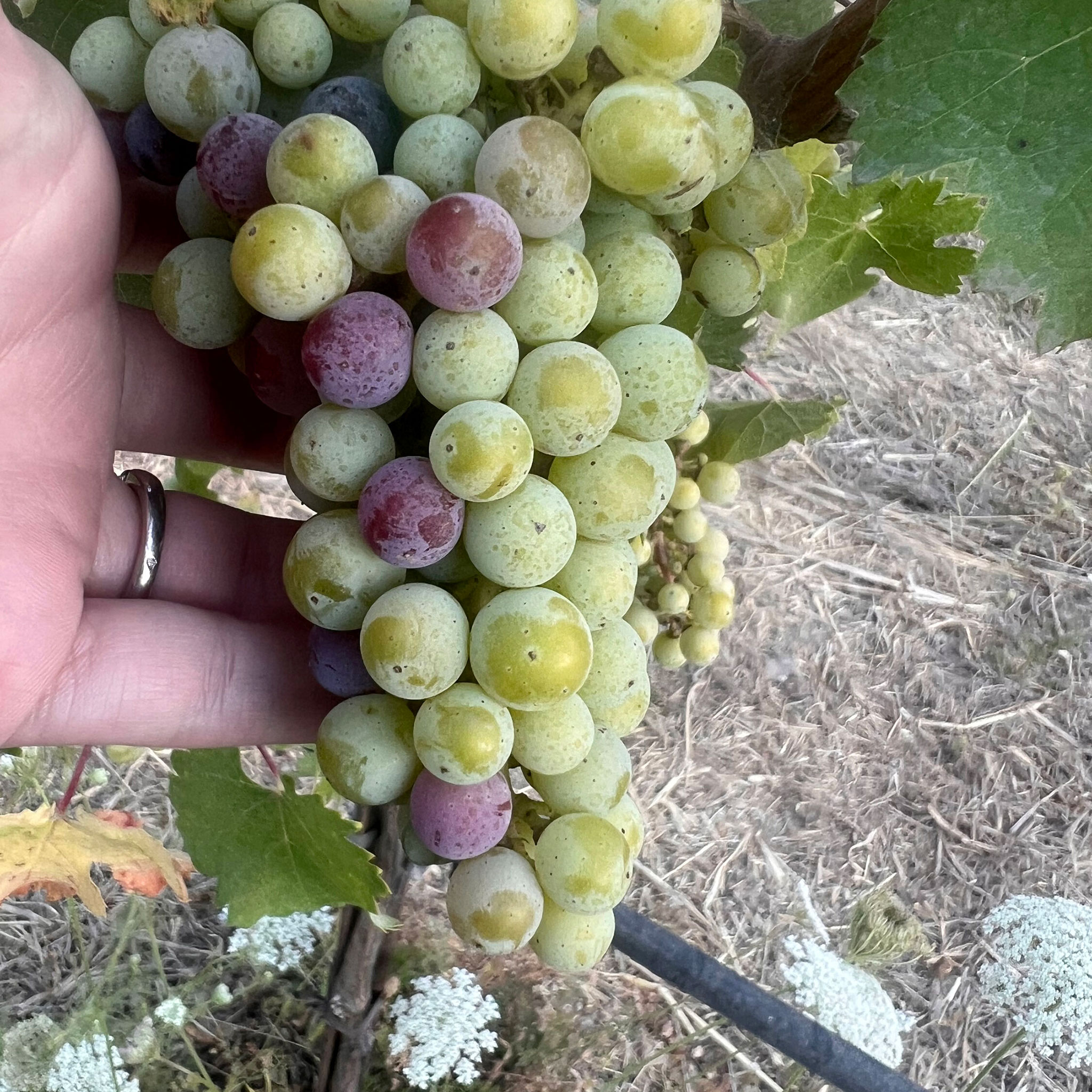
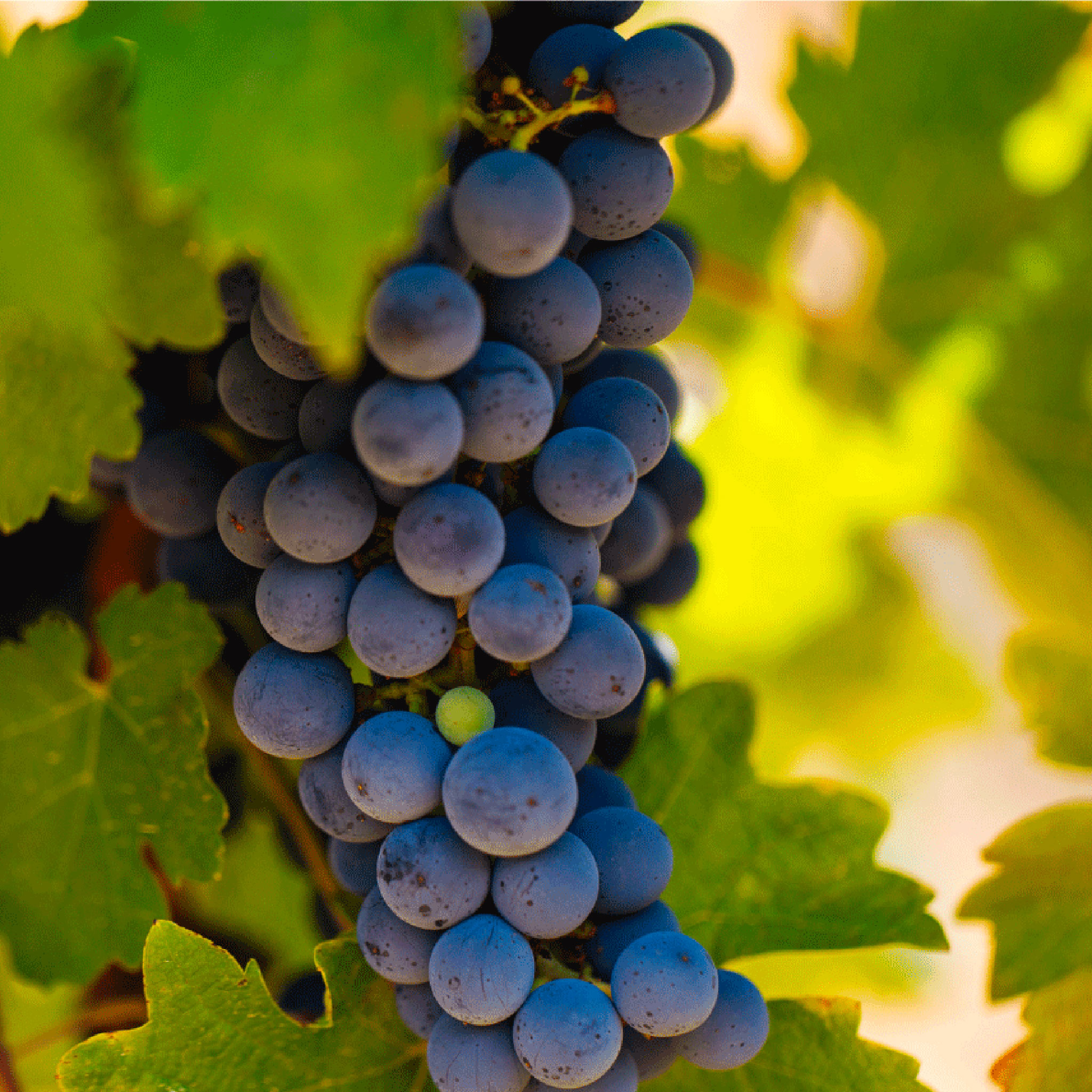
Veraison is underway across the expanse of the property, each block ripening on its own trajectory. Fruit across the vineyard is every color from green to golden in Chardonnay and has turned opaque purple in our Cabernet. The color change signals that fruit has begun to soften and every hour of sunlight is being transformed into sugar for the berries rather than growth of leaves and roots. The vines have turned their energy toward the ripening of their seeds, as if they feel the year on its downward arc.
As I walk through the forest between parcels noting the daily changes in the vineyard, the smell of ripening blackberries fills the air over the notes of pine on morning mist. In the cellar we are busy preparing to receive the fruit that our team has worked so hard all year to grow. We are excited for another chance to witness the transformation of this fruit into wine. The fall is a spectacular time at Stony Hill, still warm as summer lingers on the mountain, but with the magic of the changing leaves. We hope to see you at the Estate soon.
Sincerely,
Reid Griggs
Winemaker, Stony Hill
RETURN To THE Top
April, 2024
The Vineyard is Springing to Life
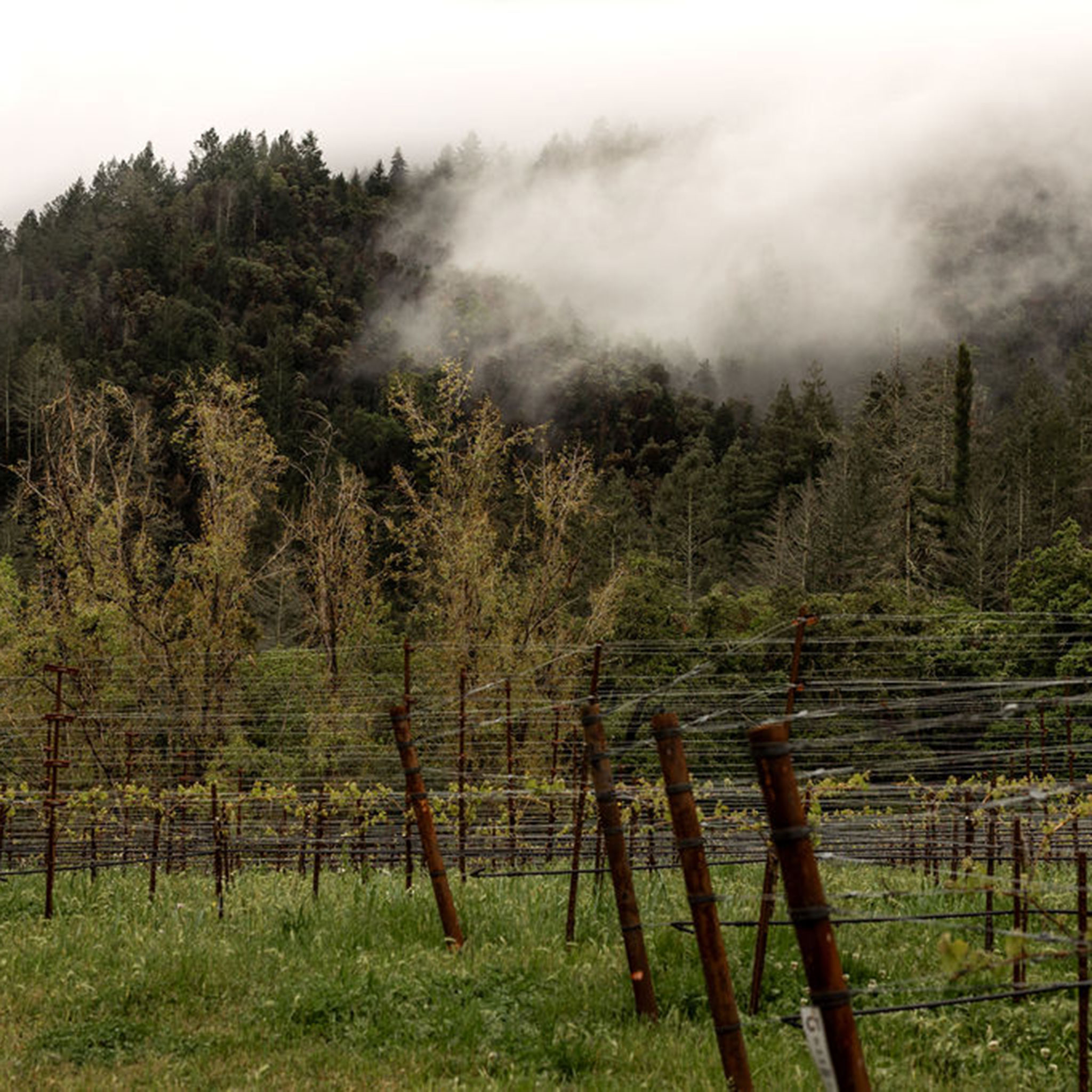
The world is verdant and new at Stony Hill. The vineyard is springing to life, flowers are blooming, honeybees have found sanctuary on our grounds, and the oaks that line the road up to the Estate have brand new leaves once again. The vines are responding to the energy of spring like the surrounding forest and budbreak is upon us, just over a week ahead of last year and a full month behind the most recent drought years. This is one of my favorite times of year, when everything is possible. We have another chance to get it just right in tending to the vineyard and making the wines, to use what we’ve learned about the place year over year and capture the essence of Stony Hill in the distinct light that this year will cast it in.
It feels like winter has been drawn out but when we look at the data, the rain gauge is in line with the historical averages and we are grateful. In the context of the most recent dry winters like those of ‘18, ‘20, ‘21, and ‘22, the rainfall this year feels ample. It has been refreshing to have rains be spread out–long persistent rains are ideal for infiltration into the soil and for vine water availability. After pruning, we planted St. George rootstock to replace missing vines in the Riesling terraces and will field graft them with our heritage material once the rootstock is established. Elsewhere on the property, young vines will be trained up the stake this year to prepare them for when they are ready to bear fruit.
In this time of renewal on the Estate, we’ve had the opportunity to make Cabernet Sauvignons from other Lawrence Wine Estates properties, including Ink Grade and Linda Falls which are on opposite sides of Howell Mountain. We will be releasing the 2021 wines from these sites in the coming months, and we are bottling the 2022 versions of these wines soon. These wines are very special, limited releases under the SHV label, one that the McCrae family used in times of replanting to distinguish non-estate fruit from wines made with Stony Hill fruit. We cannot wait to share them.
Sincerely,
Reid Griggs
Winemaker, Stony Hill
RETURN To THE Top
January, 2024
Welcome to 2024
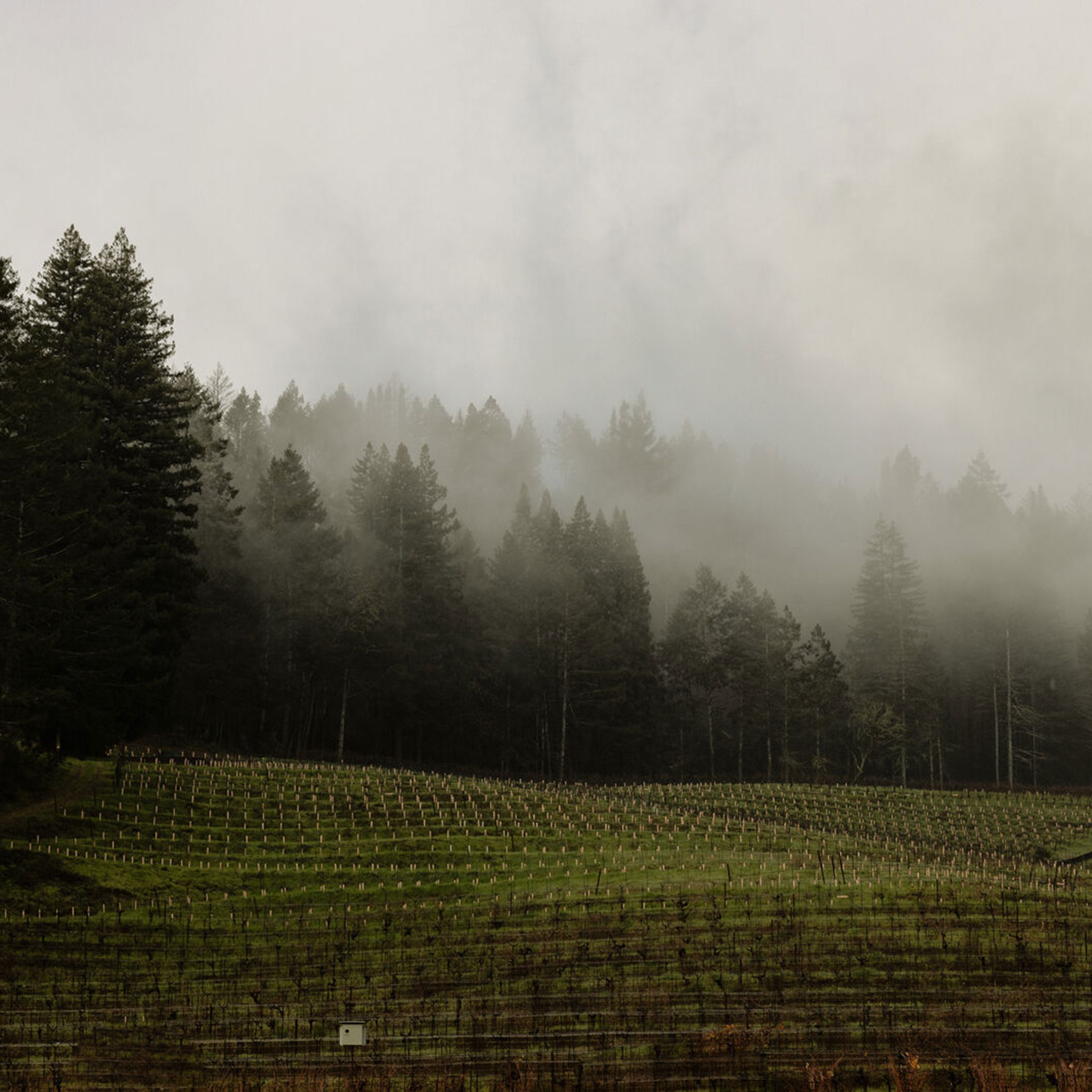
I am writing to you from a perfect, rainy January day at Stony Hill. There is a chill to the air and the low angle light casts long shadows from the leafless vines here at the Estate. The vines are in their winter dormancy, the wines are sleeping soundly in barrel, and I am grateful that we are getting slow and steady rainfall to replenish our soils and provide solid footing for the start of another year. As each day from the winter solstice gets longer, we prepare for the vineyard to spring to life once again.
Winter is a time to replenish and reflect. There is no shortage of work to be done, but the pace in the cellar is less frenetic than during harvest and vinification, when we are trying to pick with accuracy along the arc of ripening or manage the fermentations. Cover crops are growing, adding nutrients to the soil, and soon we will have sheep in the vineyard, grazing the cover crop, in preparation for budbreak. With every task we are asking ourselves–how do we build self-sustaining and resilient systems for this year, and all the years to come?
In the cellar, we are seeing the true colors of the 2023 red wines emerge as they settle themselves and unfurl after malolactic conversion. These wines are full of tension, replete with ripe tannins and fresh acidity from the cool weather that persisted late into the spring of 2023. In the vineyard, we are planning carefully to tend to the specific needs of each parcel. Each slope dotting the ridgeline has its own distinctive soils, orientation, setting, and needs. Parcel by parcel and vine by vine, we tailor our focus to allow them to tell their story. This is the work of learning to care for the place, to identify and amplify the unique essence of Stony Hill and each element of its voice.
In The Residence, our doors are open for tastings and the music and murmured conversations carry across the vineyards and into the trees. It’s a magical time to be on the mountain and we hope to see you here soon. In the coming year we will be releasing our 2021 Estate Chardonnay, 2021 Estate Cabernet Sauvignon, 2022 L’Escalier, and two limited edition 2021 Cabernet Sauvignons to be announced in the early Summer. We are proud of these wines, and feel they represent both the legacy of Stony Hill and the days yet ahead of us here. We can’t wait to share them with you.
Sincerely,
Reid Griggs
Winemaker, Stony Hill
RETURN To THE Top
December, 2023
Wrapping Up 2023
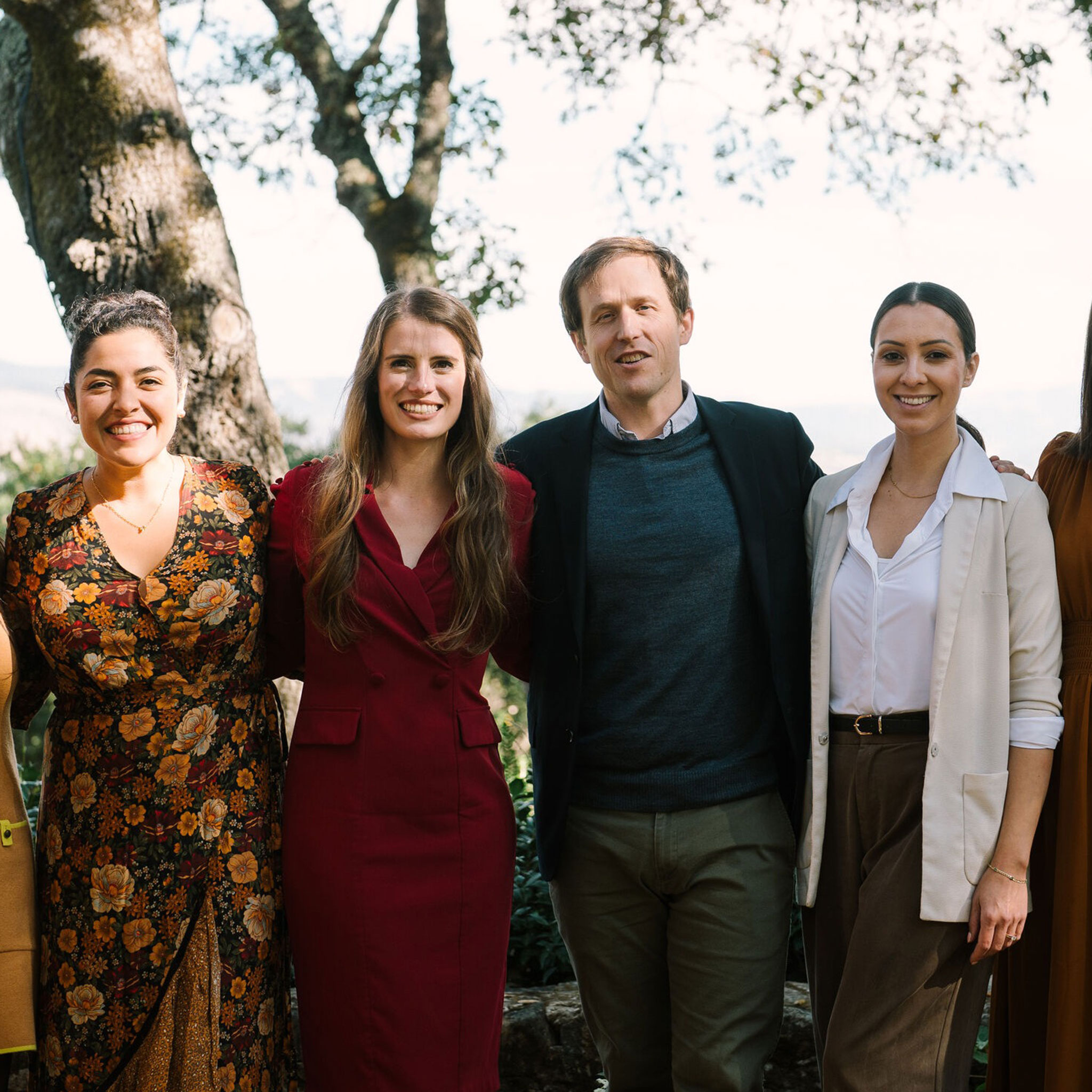
As the year comes to a close, we want to thank you for being a part of Stony Hill. From visiting us at the Estate to enjoying our mineral-driven wines crafted from this special vineyard, we love sharing our world with you.
This month brought a healthy amount of rain to our vineyards and it’s been spectacular to witness the cover crop sprouting throughout the rows. Bud break will be around the corner in no time but for now, we’re enjoying these days of winter as we prepare for some exciting new events in the new year.
Thank you again for your support of Stony Hill. Happy Holidays from all of us here and cheers to 2024!
Warm Regards,
Michaela Kelly
Estate Director, Stony Hill
RETURN To THE Top
November, 2023
Winemaker Review
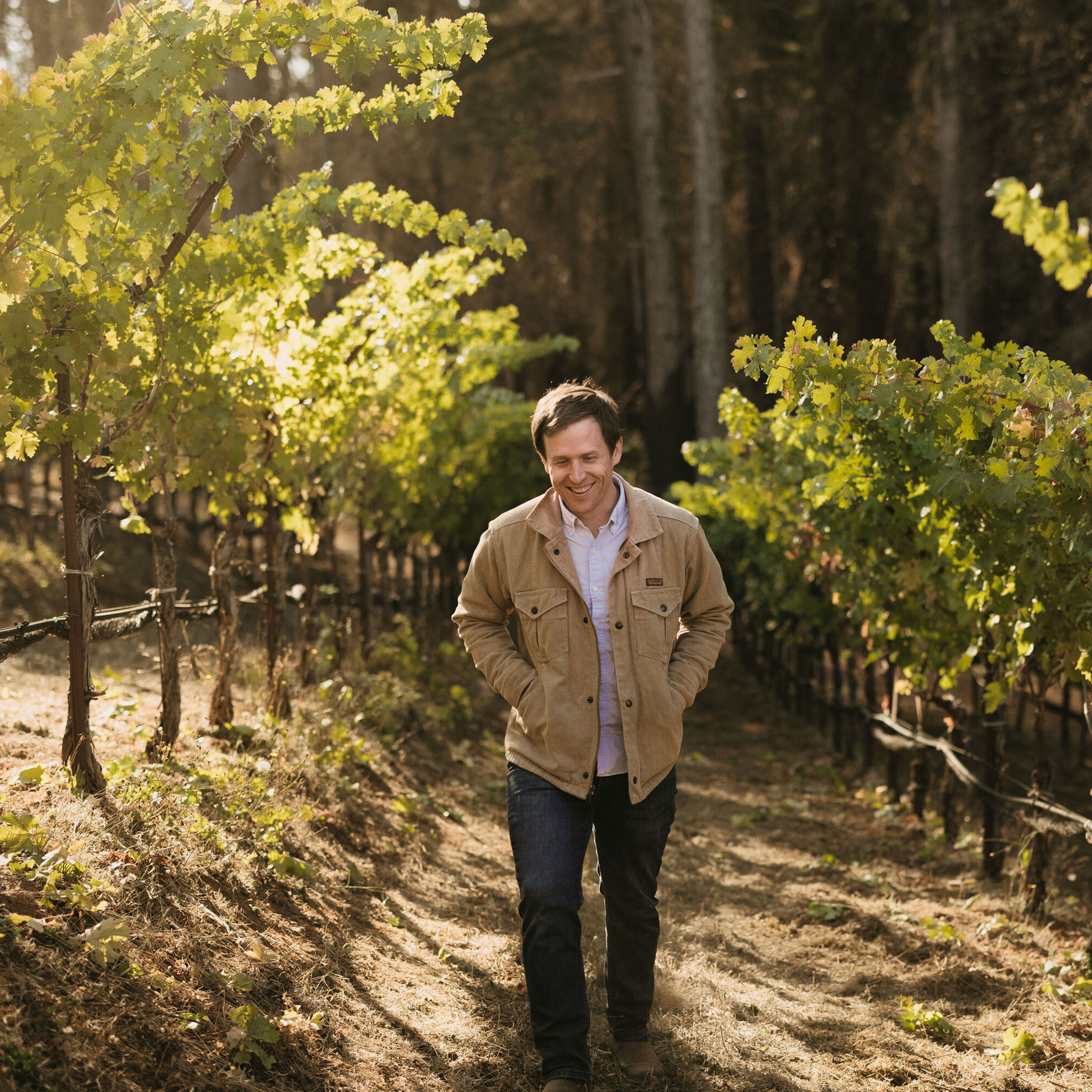
I first visited Stony Hill on a rainy winter morning in 2019. I remember tasting in Mr. Chelini’s cellar and again in the dining room of the McCrae house, like generations of people before me. I was taken by the magic of Stony Hill–the purity and singular style of wines that never swayed to the trends of the valley below, and the hospitality that helped build the Napa Valley name.
It is a great honor to be a part of what a mentor of mine would call the genealogy of the land at Stony Hill. I am grateful to be part of the tradition here, to be connected to those who have worked this land before me. I see our work as understanding and capturing the magic of this place. This means honoring the hard work done in the vineyard by picking fruit at a time to preserve freshness and using wild yeasts from the vineyard and surrounding forest to transform that fruit into wine.
As I taste through the wines of winemakers before me, the signature of Stony Hill shines through beyond any stylistic touches that remain. Our goal, as was the goal of those before us, is to merely guide the natural process and not obscure the beauty that springs forth from this place.
I look forward to sharing the work that we’ve done this season with you in the years to come.
Sincerely,
Reid Griggs
Winemaker, Stony Hill
RETURN To THE Top
October, 2023
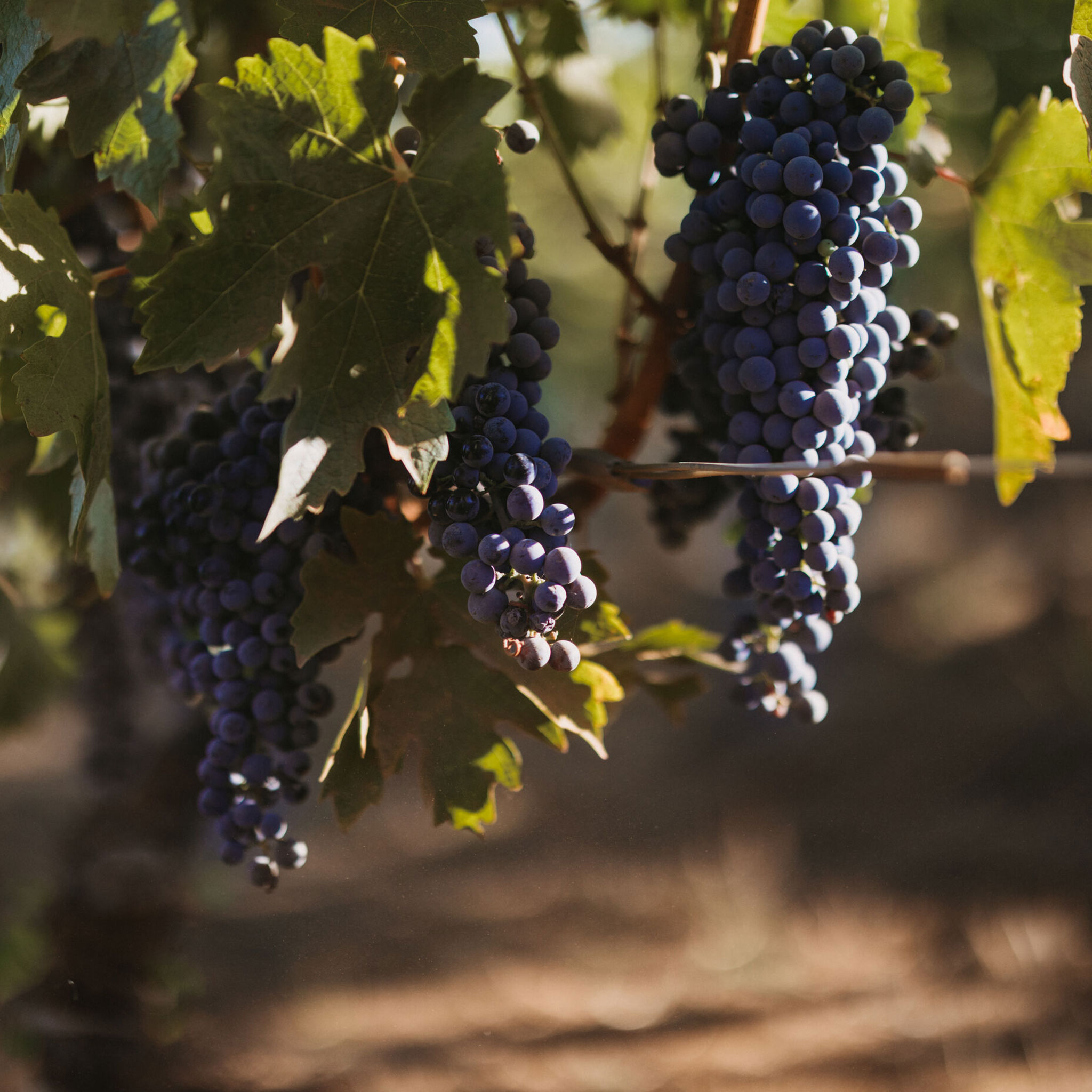
Our 2023 vintage is officially in the winery as we completed our harvest on October 7th. This year’s harvest fell much later on the calendar than normal due to substantial winter rains paired with a moderate growing season. The first pick began on September 18th with Chardonnay, followed by Riesling, Syrah, and then our Cabernet Sauvignon. We also harvested fruit from a number of our new plantings from 2021, including Cabernet Franc and Merlot.
The quality of the fruit was excellent and while it is still early in the winemaking process, we can’t wait to share this vintage with you.
This past weekend also brought our Second Annual Harvest Luncheon! We welcomed our members to the Residence and celebrated the 2023 harvest with new releases as well as special selections from our cellar, including the coveted 1996 vintage of Estate Chardonnay en Magnum. This was a lovely time connecting with everyone and we look forward to more events in the new year.
Thank you again for being part of Stony Hill. As the holidays approach, please keep us in mind for all of your gifting needs or visits with out-of-town guests. We hope to see you soon.
Warm Regards,
Michaela Kelly
Estate Director, Stony Hill
Back to Top of Page
September, 2023
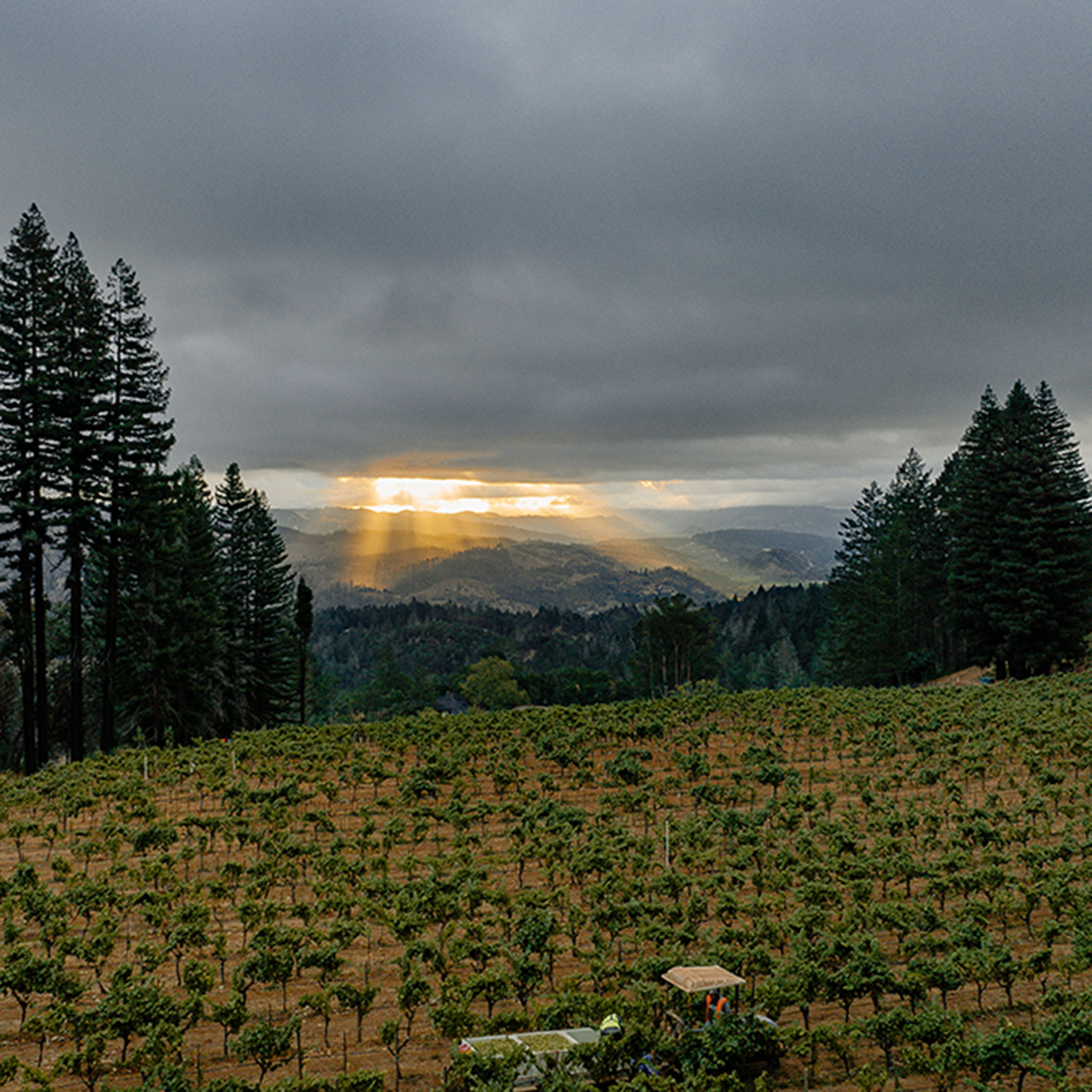
Our 72nd harvest has begun here at Stony Hill! We completed our first pick of 2023 on Monday, September 18th, in our Chardonnay block planted in 1988. This was all done by hand and our hospitality and vineyard teams joined forces in celebration of day one.
Compared to last year, when we had almost entirely finished picking by September 2nd, we are tracking nearly a month behind. Though we are patiently waiting for the right moment to pick each parcel, the fruit is pristine and we are excited for the 2023 vintage. A long, cool fall finish to the growing season is one of the hallmarks of a classic Napa Valley vintage.
All fruit is hand-harvested just before dawn at Stony Hill. This keeps the fruit handled in a delicate manner and at an appropriate temperature until it reaches the winery. Everything we do in the vineyard and winery is aimed at preserving the purity and natural beauty of what Stony Hill gives us.
In celebration of harvest, we are hosting our annual Harvest Luncheon on Saturday, October 21st! This will be a great opportunity to connect with our winemaker, Reid Griggs, about the 2023 harvest and to gather together for an afternoon of great food and wine. We hope to see you there.
Warm Regards,
Michaela Kelly
Estate Director, Stony Hill
Back to Top of Page
August, 2023
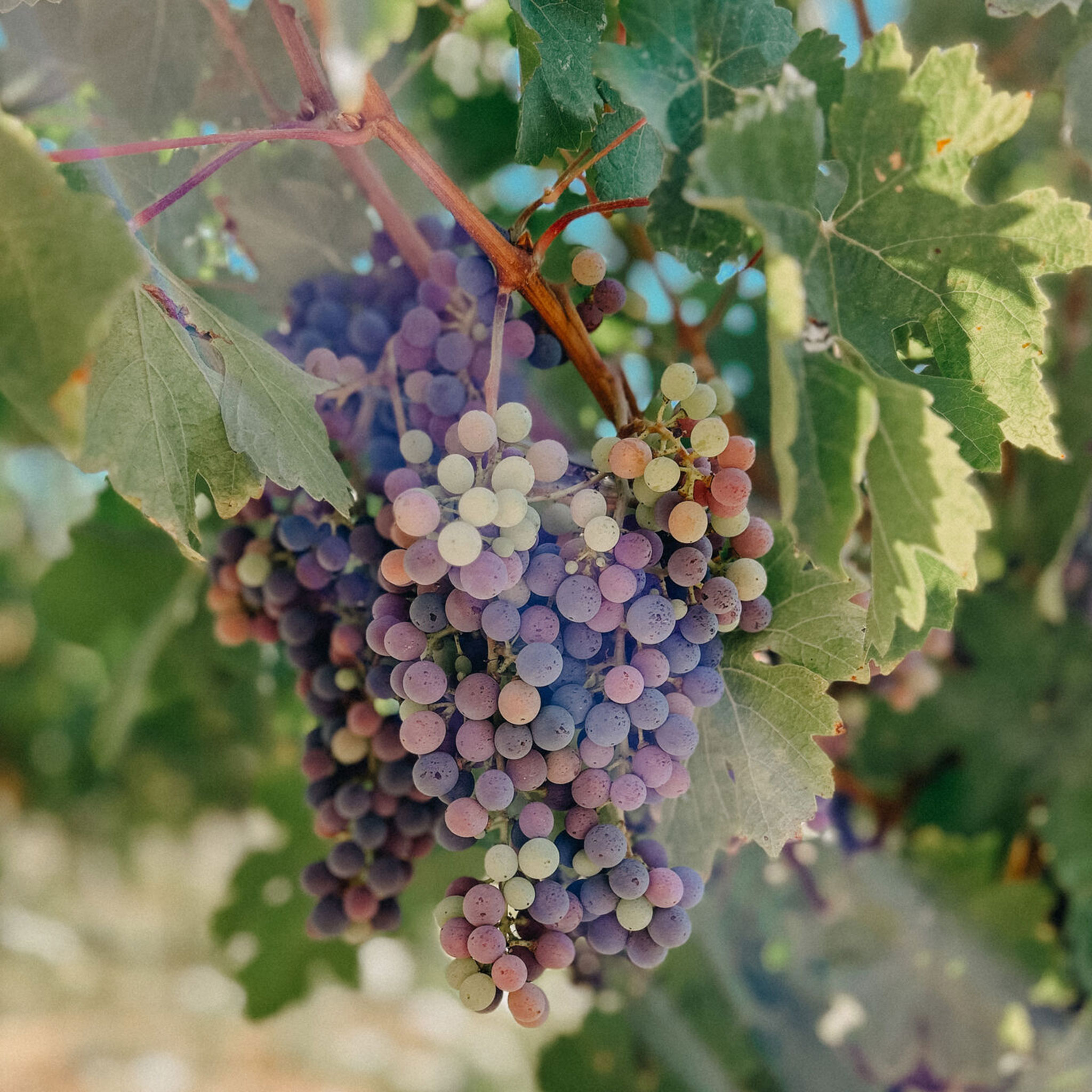
Veraison has arrived here at Stony Hill with our Cabernet Sauvignon and Syrah blocks starting to transition to their dynamic hues of purple. What you see is the onset of ripening as the accumulation of sugar causes the berry to soften, which allows for the expansion of the fruit and the change of color.
The evolutionary theory is that the color change makes the fruit visible in the green canopy of the vine and is meant to signal to the birds that the fruit is ready to be consumed and the seeds are ripe so that they can be dispersed so more vines can be produced.
At this time, we are only just nearing 100% veraison in some parcels with a touch longer to go for others, while this time last year, harvest had already begun in areas of our vineyard. The diversity of our Estate’s terroir is what makes our wines iconic. With many of our blocks having different orientations and elevations, this allows distinctive fruit to be grown and unique stories to be told. A year like this highlights those different tones in a beautiful way.
When veraison is at 95%, the team walks the vineyard and adjusts the crop load by thinning any fruit that is lagging to make sure the vines are perfectly balanced when going into their final stage of ripening. This is, of course, a challenge to leave a portion of the fruit that we’ve worked so hard for behind, but we know that the sacrifice will make the resulting wine the best it can be. The ample winter rainfall and cooler spring weather have given way to summer warmth and will push harvest into late fall, which is more in line with classic Napa Valley timing than the previous few years.
Magic has already filled the air with harvest just around the corner. From what we are seeing in the vineyard, 2023 is turning to be a remarkable vintage and one we wait to share with you.
Warm Regards,
Michaela Kelly
Estate Director, Stony Hill
Back to Top of Page
July, 2023
Along with the revitalization we’ve completed to our Estate, we’re excited to announce that we are expanding our Syrah program. The team has planted a new vineyard block of Syrah next to our Residence, which you’ll be able to see on future visits when you venture to our Oak Terrace.
Syrah is traditionally grown in the Northern Rhone, the homeland of Syrah, as head-trained, spur-pruned vines that form small gobelets. While there is no trellis in this method and the vines are free-standing, shoots are tied up to stakes and sometimes two vines are bridged together to form an arch.
This type of system allows for 360° of sunlight while keeping fruit cool within the canopy by only exposing it to dappled light. Small vines also require less water and even though ours are planted at a higher density, we will be asking the vines for fewer clusters per vine and therefore reducing the need for water.
This is ideal for producing our famously mineral driven and classic wine profile that we produce here at Stony Hill as the warmer seasons arrive.
While summer has brought some hot days here at Stony Hill, we are only at 75% of heat summation, or overall heat, as of this date last year. However, we are starting to catch up and the subtle hints of veraison have begun. We are very excited about the 2023 vintage and the stunning fruit this year is producing.
We look forward to welcoming you to Stony Hill for a tasting. Please reach out with any questions or if you’re planning a trip, follow the link below to make your reservation.
Warm Regards,
Michaela Kelly
Estate Director, Stony Hill
Back to Top of Page

June, 2023
While this month brings warmer temperatures to Stony Hill, it also brings the sounds of bottling as we bottle our 2021 vintages. We look forward to sharing these wines with you in the near future.
The vineyard is thriving with its next step in the grape growing process: bloom, also known as flowering. This is an important phase as it will determine the number of berries in each grape cluster.
Bloom usually occurs about four to six weeks after bud break and involves the development of the tiny green spheres called calyptras or caps. These provide protection for the future grapes and when the moment is right, the caps drop away to reveal the small flower clusters.
About ten to fourteen days after full boom, fruit set should be established and small green berries will form, which will eventually grow into individual grapes.
Our Chardonnay blocks are near the end of bloom and we currently have some fruit set, which is exactly two weeks behind last year. Our Cabernet blocks are also on track and although they completed bloom on May 31st last year, they’ll likely finish this year very soon.
It’s typically 100 days from the end of bloom to harvest and we’re excited for the months ahead and the 2023 vintage.
Warm Regards,
Michaela Kelly
Estate Director, Stony Hill
Back to Top of Page
May, 2023
A Deep Dive Into the Soil
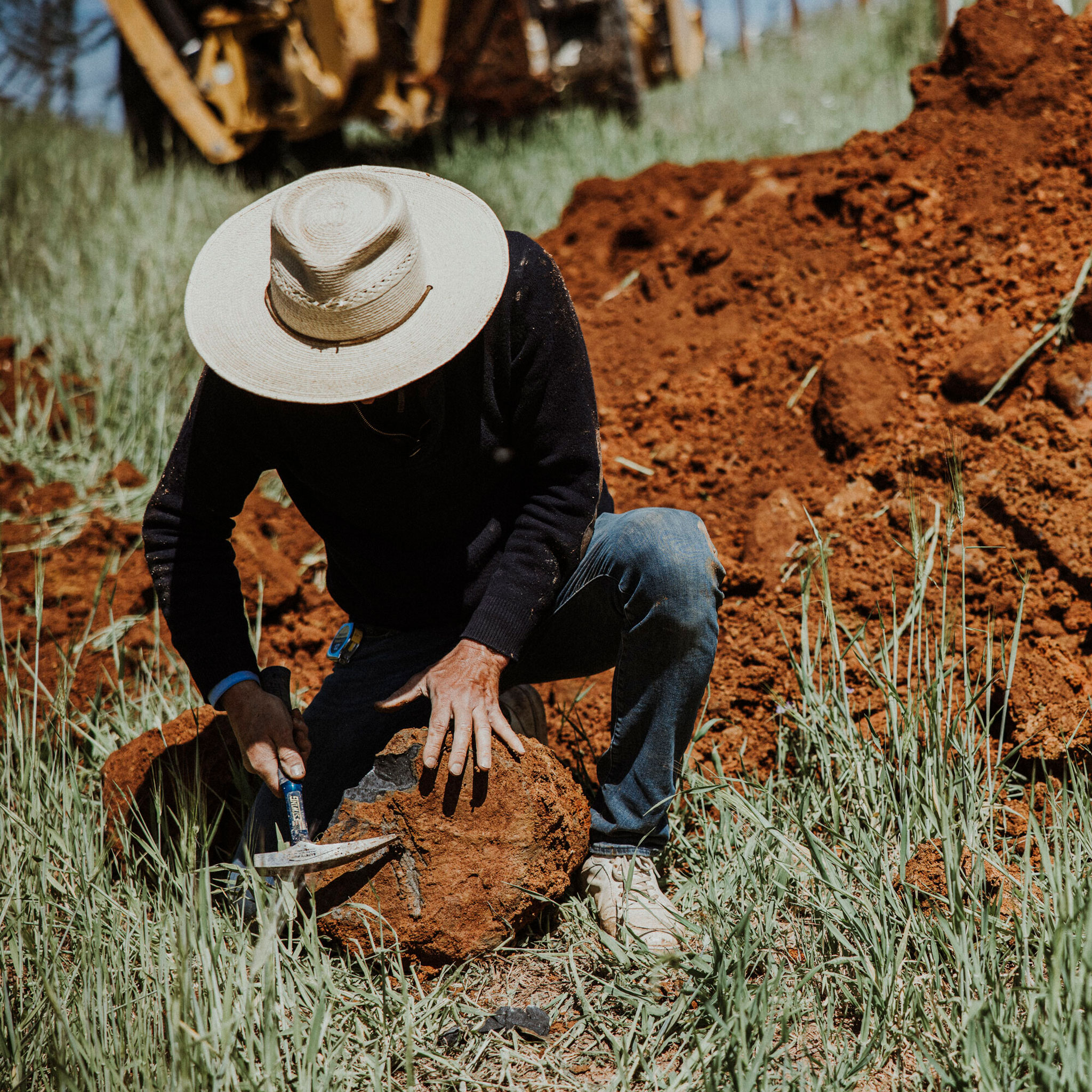
While soil tells the story of the land and our historic vineyards, it also expresses itself in the flavor profile of our iconic wines. We recently had Bordeaux-based geologist Xavier Choné conduct a study of the soils at Stony Hill across the expanse of our Estate to study the underlying structure of the vineyards.
Performing a deep exploration of the foundation of our vineyards gives us insight into the soil’s water holding capacity, the level of drainage, and how far the roots can reach in each parcel. Such an understanding provides the opportunity to choose appropriate rootstocks and select responsible vine spacing with consideration of water usage when developing our vineyards.
Additionally, these soil pits help us understand the origins of the terroir. Some soil in Napa Valley was deposited by flowing water, like the alluvial fans in the benchlands off the valley floor. However, the soils at Stony Hill, like many hillside estates, are largely comprised of what’s referred to as “residual soils.” This material is a result of the weathering and decomposition of rocks that have not been moved from their original location, and in our case is largely made up of decomposed sandstone and shale. You’ll also notice at our highest elevations, we have soils born of iron-rich volcanic material, which colors them a deep red.
Our values are rooted toward building resilient vineyards that exist in harmony with the land and we believe that by continuing to learn, we may continue to produce wines of elegance that reflect the unique subtleties of our Estate on Spring Mountain. All our gratitude to Xavier for allowing us a deeper understanding of this special place.
Warm Regards,
Michaela Kelly
Estate Director, Stony Hill
Back to Top of Page
April, 2023
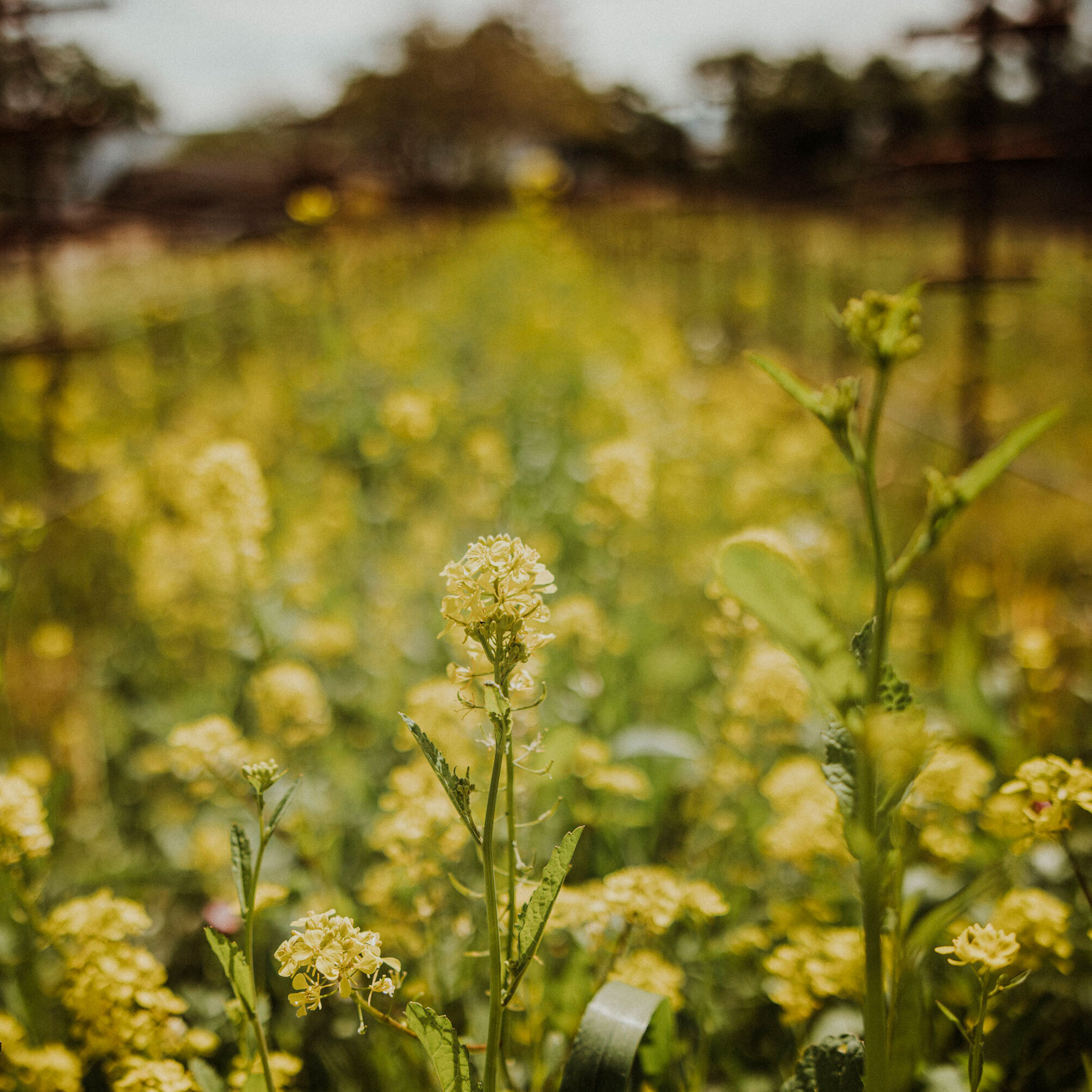
Spring is well underway at Stony Hill with budbreak across every block! This is on average three weeks behind 2022 but the heritage Chardonnay vines already have fully expanded leaves with the Cabernet Sauvignon about ten days behind.
As the vines start their growing season, they pull in moisture and nutrients from the soil. The cover crop, which has kept our soils protected from erosion and assisted in building organic matter and attracting beneficial insects and bees to the vineyard, begins to compete for moisture with the vines’ root systems.
In order to transfer nature’s resources back to the vine, this is the time when we cut back the cover crop and watch the soil moisture conditions carefully to take full advantage of the recent winter.
As temperatures move into the mid 70s to low 80s, growth happens from all points on the vine. In the coming weeks, the vineyard team will begin suckering, which is the task of removing unwanted components from the vine and leaving only the shoots that will provide grape clusters.
The first two to three weeks after budbreak are slow and steady with a half to two inches of growth a week. Following this stage, shoots will move into rapid growth with an increase of four to eight inches a week depending on moisture, varietal, and soil type.
Soon Stony Hill will be a sea of bright green among the vines as we work on building a healthy and balanced canopy going into bloom.
Warm Regards,
Michaela Kelly
Estate Director, Stony Hill
Back to Top of Page
March, 2023
Spring has started at Stony Hill after a winter filled with rain, cold temperatures, and even a pleasant surprise of snow. Our vineyard, which sits mostly above 1,000 ft in elevation, had a blanket of snow nearly four inches thick in February, a sight we had never seen here before.
While we are still receiving and expecting rain throughout the month of March, the vineyard is happily accepting the rainfall as it continues to saturate our varying soil profiles. The timing of this series of storms could not have come at a better time as we are on the cusp of budbreak. The vines are slowly starting to wake from their winter rest with buds swelling in the Chardonnay and Syrah blocks, two of our earliest varietals at Stony Hill.
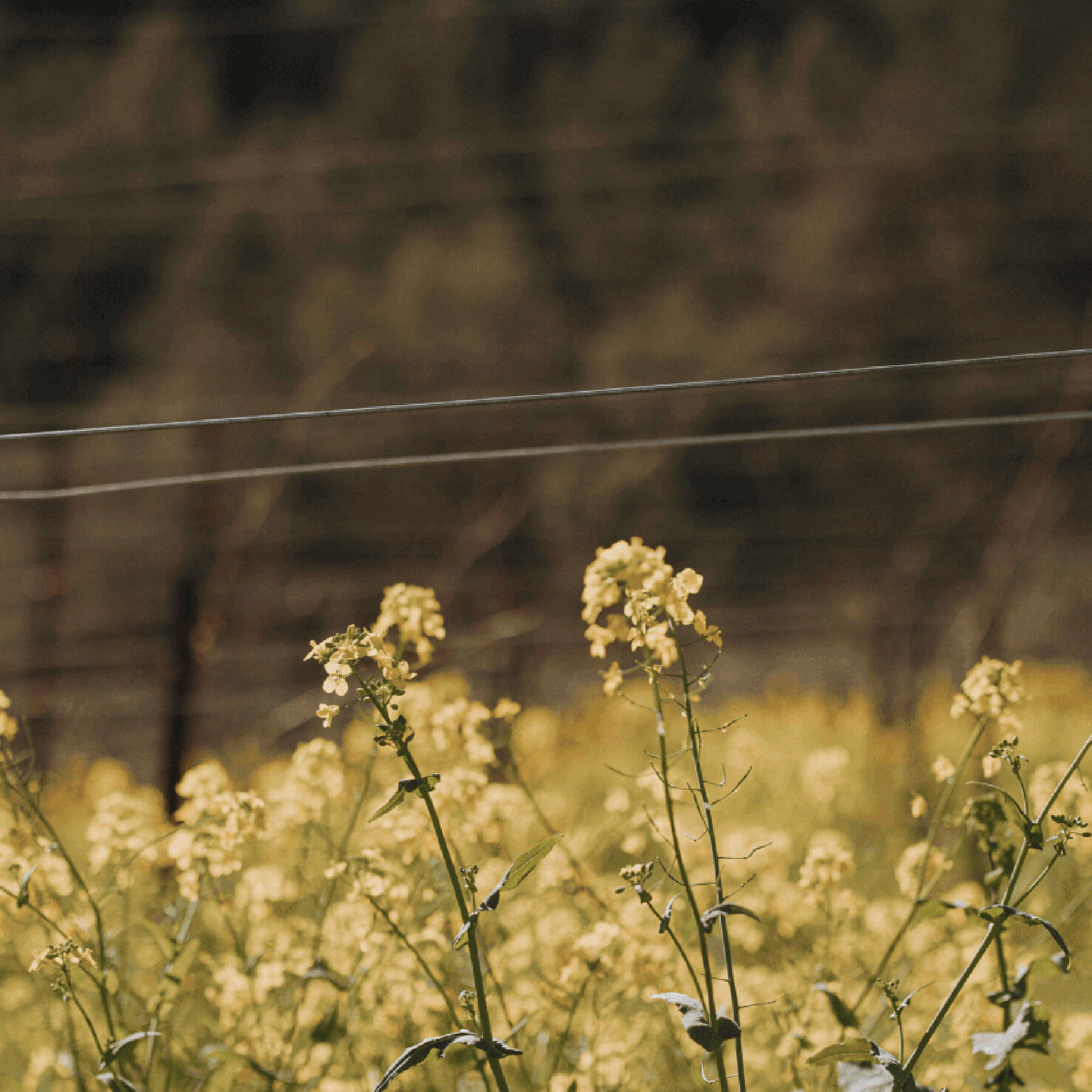
The vineyard team has completed all winter vine work with the pruning and tying of canes. While pruning, budwood was collected from our Gewürztraminer and Riesling vines for us to graft onto rootstocks in our heritage block now officially named L’Escalier (the French term for staircase in reference to our terraced slopes). By using our own budwood, we are continuing the story of Stony Hill through preserving its history and varietal expression. The sheep finished grazing in the older vines last month, leaving behind a low stature cover as well as enhanced biomass. The young vine blocks that were not grazed now harbor a sea of yellow mustard flowers, peas, beans, and poppies. In the days where we’ve had warm temperatures and rays of sunlight, birds are busy feeding on vegetation and insects on the vineyard floor while the increased populations of butterflies and bees this time of year contribute to our Estate’s ecosystem.
A few minutes walking alone in the vineyard gives you a sense of cohesion between us and nature. Every life form plays a key role in producing the quality fruit and soils we cultivate here at Stony Hill Vineyard and we look forward to sharing these treasures with you during our Spring Release.
Warm Regards,
Michaela Kelly
Estate Director, Stony Hill
Back to Top of Page
February, 2023
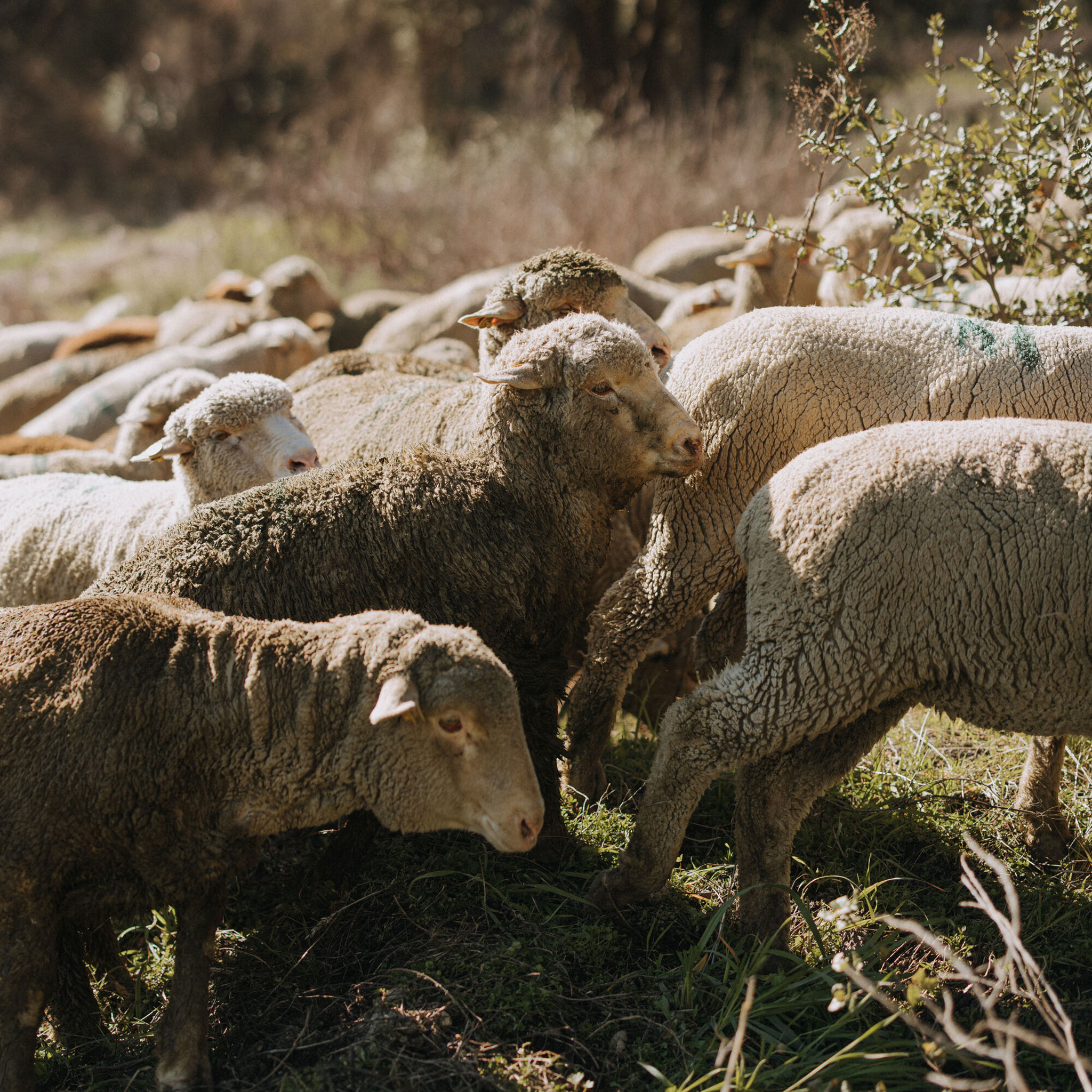
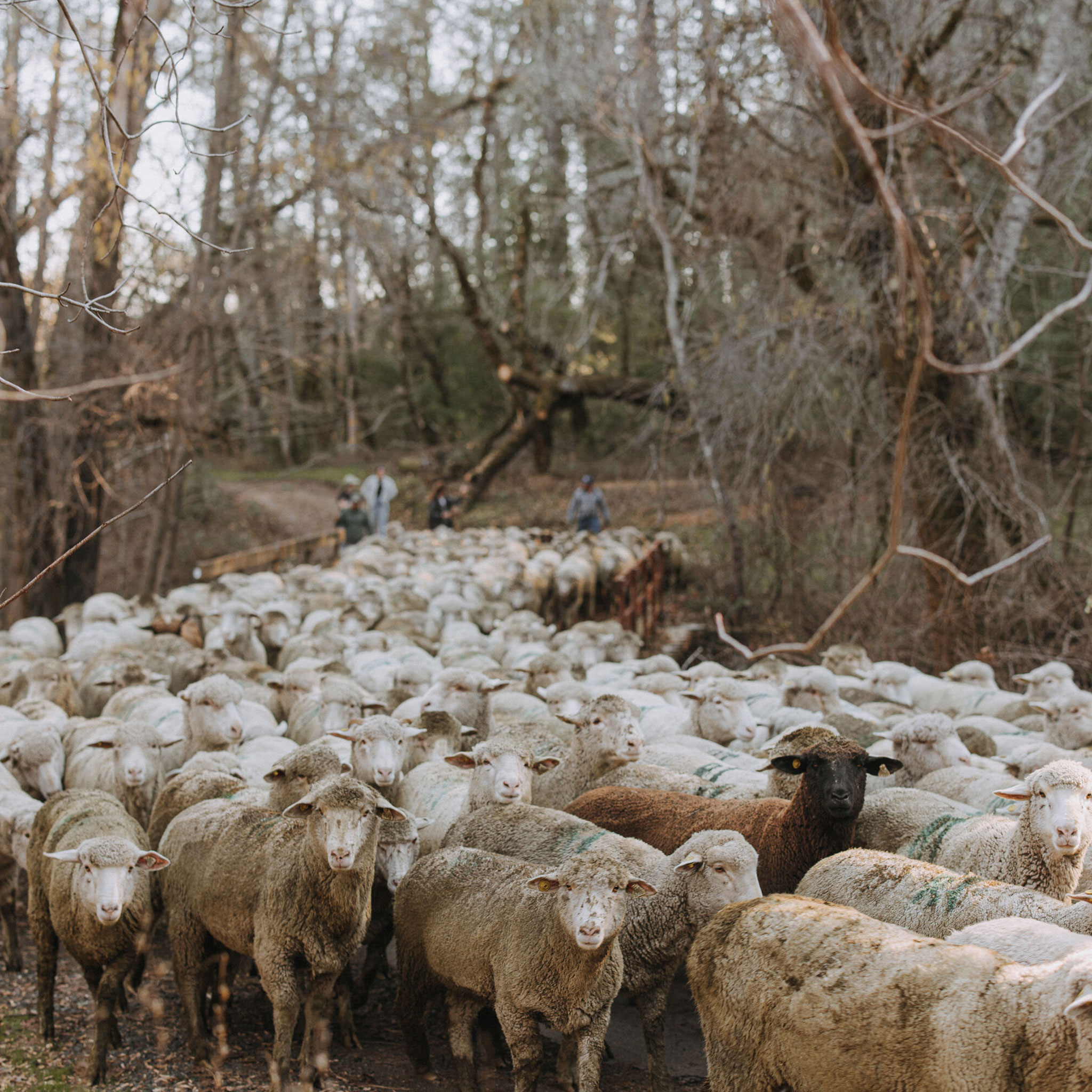
As you have probably seen, we have been thrilled to host an additional 450 employees this month. 450 sheep that is! This adorable addition to our vineyard team brings great cheer to our property, and more importantly, has a meaningful impact. With this Letter from the Cellar, I wanted to go further into detail on the benefits these sheep add to our farming program.
Working with sheep to graze our slopes is a pivotal part of our ongoing soil health efforts. As we pursue thoughtful farming practices, we recognize grazing as an integral component of the regenerative process. Stony Hill partnered with a contract grazing company, Star Creek Land Stewards, for several reasons. Grazing in any form limits machinery and is a useful tool in the nutrient cycle, but our choice to work with a large herd at high density, instead of a smaller personal group of sheep, further enhances the benefits. When we bring in sheep at this scale, we can graze through approximately one acre of hillside vineyard a day. Moving the herd quickly through contained parcels encourages even and efficient grazing. We can be confident that the sheep will do a thorough clear across the entire block and won’t accidentally overgraze.
When sheep graze cover crop to a healthy length, it stimulates root growth and nutrient movement that livens soil microbiome interactions. Relocating sheep from one parcel to another allows the forage to recover and the ecosystem to restore balance. The natural fertilizer left behind by the animals is an added source of nutrient cycling and increased biomass. Another benefit of rotational grazing is the reduction of soil compaction. Moving the animals along after they complete their foraging minimizes the time spent trampling around, so we experience the shuffling benefits of hooves without extended compaction.
Overall, it’s a beautiful trade! We are happy to nurture a herd of sheep with healthy organic material while managing our floor cover, increasing organic matter in our soils, moving away from fossil-fuel powered equipment, and supporting our soils untilled integrity. There is a lot to be excited about.
As we celebrate this burst of life amongst our vines, we notice the rest of the property waking up with stone fruit blossoms and more birdsong! We are enjoying the later hours of sunlight and the golden bloom of mustard flowers around the valley. Wherever you are, I hope you’re beginning to enjoy longer days too!
All my best,
Renee Berkus, Cellar Master
Back to Top of Page
January, 2023
As I write, we are in the midst of a serious set of storms here in California. In just these last few weeks, we have surpassed the total rainfall of last season. We are fortunate that our rainfall here has been consistent and gradual – ranging from 0.2-2.5 inches per day since the start of the new year – and feel thankful for our rejuvenated and hydrated soils. Previously depleted reserves are now at healthy levels for our grapevines, which will lead to robust canopies in spring and useful water stores for warm summer days.
Our location within the aptly named Spring Mountain District does require an awareness of the natural springs on our property. Our team watches our hillside closely to confirm that our slopes are sturdy and well-draining. The steady precipitation has been beneficial as it has encouraged soil saturation and reduced the risk of erosion on our steep mountain slopes.
Another positive result of the recent weather is a robust cover crop. We are continuing to build diversity in cover crop species with our focus on grazing feed and pollinator habitat. A few of these grazing-friendly covers include triticale, daikon radish, magnus peas, and several species of oats. We are supporting our bees and other beneficials with California poppies, a mix of clovers, phacelia, calendula, and many more. When the sun peeks out again soon, we’re expecting a great bloom of growth just in time for our sheep to graze.
One of the storm-related impacts is a delay in our pruning operations. We are monitoring the forecast closely to identify a clear string of days where we can manage our vines without excessive moisture in the air. Ideally, pruning takes place with clear skies and fresh weather to reduce mildew pressure. We intend to prune when we can ensure that our cuts will stay clean and dry for the initial healing process. The goal is to protect our old vines and nurture them to our best ability every step of the way.
As I mentioned above, we feel immense gratitude for these much-needed showers. However, we do recognize that these storms have impacted our state with intense force. While we appreciate the restorative quality of the rains on our property, we send our thoughts to those who will be working to repair their properties. We hope that you and yours are staying safe and we all look forward to sunshine and fresh air to come!
All my best,
Renee Berkus, Cellar Master
Back to Top of Page
December, 2022
December welcomed in rain and cool weather. We are grateful for these stormy days that rest and recharge the land – in turn bringing rest to the team. After the last few months of heat, the reprieve is so appreciated. We look forward to seeing bright cover crop sprouting in our vineyard rows and eagerly await the blossoming of the pollinator habitats we seeded before the first rains.
The golden fall colors were a spectacle here at Stony Hill and across the Napa Valley. In the time between harvest and the falling of leaves, our grapevines were focused on channeling photosynthetic energy to create a well of carbohydrate storage in their trunks. The older woody tissue will hold these energy stores while the vines sleep through the coldest season. When warmth comes back to our valley, these stores will be relied upon to fuel budbreak and early season growth. During this pause, the vineyards have a different energy and stillness. I find the vineyard to be beautiful, especially now when the architecture of our old grapevines is unobstructed by leaves and the wild twists and turns of trunks are on display.
Likewise, this time of year is generally a time of stillness for the cellar. However, we are currently playing an active role in shaping our 2021 wines with final blends approaching – a decision which will solidify the exact components of these future cuvées. Over the last fifteen months, our 2021 wines have been aging in large format oak vessels and resting on their lees to build weight and depth. We will carefully choose and combine barrels to form a cohesive and complex blend. Then, the blends will move to larger concrete and stainless vessels for their remaining few months. Our intention with this transfer out of oak and into less porous material is to bring tension to the wines and reemphasize our vibrant Stony Hill character.
In addition to blending and the upcoming spring bottling, pruning and grazing are on the mind. These will be the first activities of the new year to replenish our soils and set the stage for the next crop – a wonderful way to begin anew! We look forward to sharing more of these updates with you. For now, the team here at Stony Hill wish you and yours a wonderful holiday season. We hope you cherish this magical time of year.
All my best,
Renee Berkus, Cellar Master
Back to Top of Page
October, 2022
Harvest is an incredibly dynamic time of year. There’s a special energy here in the valley when the roads are bustling with grapes, friends are celebrating harvest milestones together, and every day is filled with the scents of delicious new fermentations.
As fall approaches, we are thankful to be rounding the corner and now look back at our work with fulfillment. Stony Hill is officially pressed out – meaning that our last red fermentation tank is being transferred to barrel to age. In these next several weeks, we will watch as the final few grams of sugar are metabolized by a team of wine microbes still busy at work. We also taste and monitor our young wines frequently to ensure everything is proceeding gracefully.
Our estate experienced, as many others can also tell you, quite a remarkable string of weather events this season. Harvest was challenging this year. Our ripening window was compact – hastened by a heat wave with a rain event following several days later. The temperatures in early September were unprecedented for this area. Industrywide, we are all learning together how to develop resilience to these weather events, and how to make winemaking decisions in their midst.
Nonetheless, we have formed wines that we are thrilled about. We had the opportunity to work with a few new vessels this year and feel that our Chardonnay has exciting potential with components of barrel, stainless, and concrete fermentation for the blend. Our Riesling and Gewurztraminer are expressive – and we feel they will be really striking down the line. And for our Cabernet, these wines are vibrant, too! It was a privilege to work with fruit from several other historic Cabernet Sauvignon vineyards this year alongside our already iconic estate-grown vines. We will get to share these new projects with you in the near future.
For now, we take a breath and take note of what we have learned this season. We return to the wines of 2021 as they continue to take shape. We return to the vineyard to make sure it is ready for a time of rest. And then we shift our focus forward to what is to come.
All my best,
Renee Berkus, Cellar Master
Back to Top of Page
September, 2022
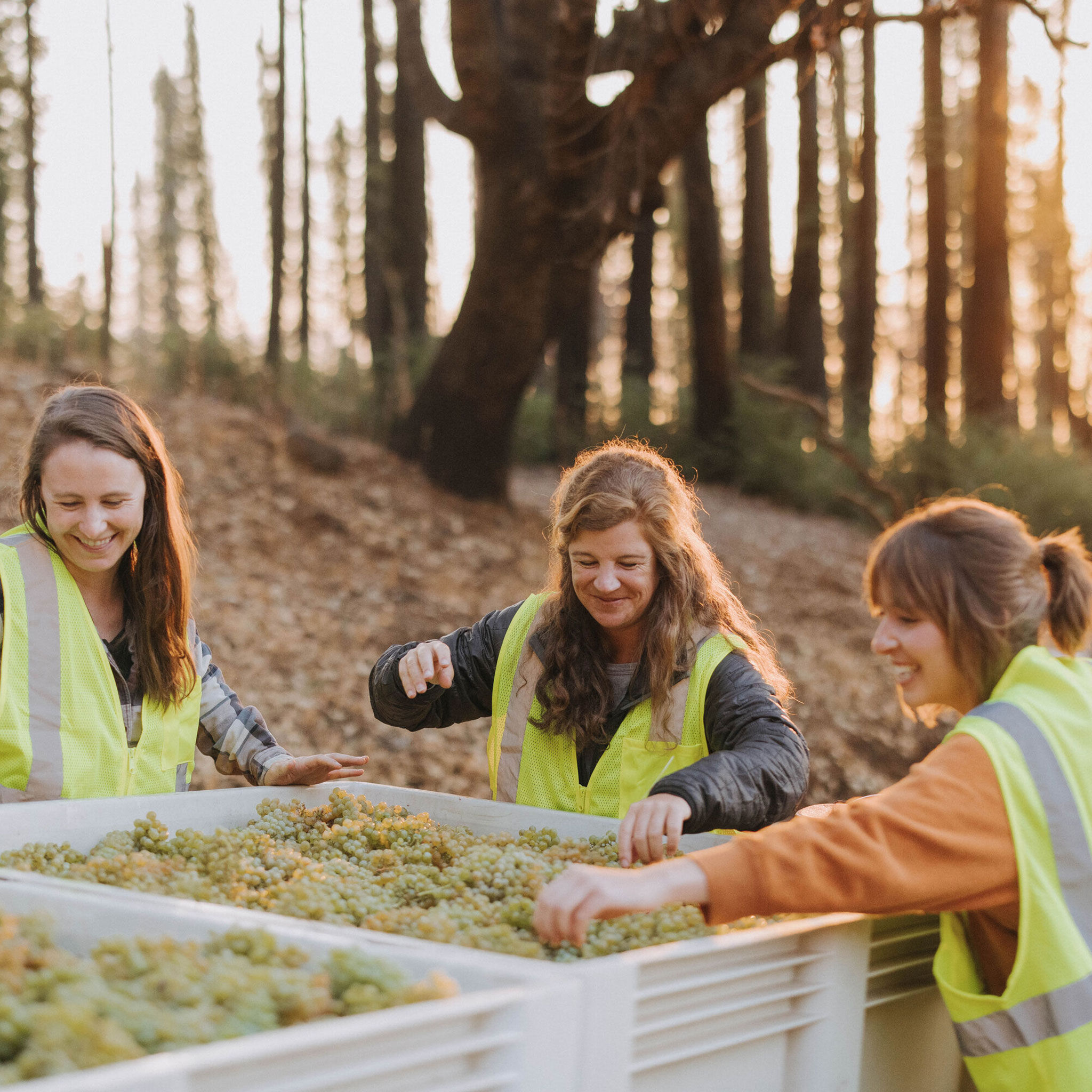
It was impossible not to feel giddy watching the sun rise behind our first harvest pick. Our winemaker, Jaimee Motley, and our team greeted this year’s harvest on a clear morning on August 15th – launching Stony Hill’s 70th consecutive vintage. It is with joy that we continue this site’s beloved winemaking tradition. We celebrate these moments where the culmination of years, decades even, of farming efforts show in a gorgeous fruit bin.
Harvest began with our slopes of historic Chardonnay. Over the past few weeks, we have watched this fruit accumulate golden color and varietal character. Heat spikes have become another integral factor in our picking decisions, and we turn to the vines to observe their rhythm with the rise and fall of these weather events.
There is a sense of serenity and composure this year that comes with the connection we continue to develop with the vineyard. With admiration for this land and those that tended it before us, we work in full awareness that we are still so early in our understanding. The decades of knowledge refined by the McCrea and Chelini families are a critical piece of what sets this estate apart, and we strive for this level of insight. We are grateful for the opportunity to spend time amongst our vines throughout the year to follow along in their flow and respond accordingly.
Last harvest’s 2021 vintage is progressing gracefully, and we eagerly anticipate sharing these wines with you! We frequently check in and have noticed that the Chardonnay has begun to fill out and hold a delicate balance between precision and weight successfully. Our heritage blend composed of Gewürztraminer, Riesling, and Chardonnay is blowing us away with its lovely aromatics, joined with a serious palate. The tannins and structure in our Estate Cabernet are coming together to form a wine that feels complete and refined. These wines continue to rest in large format oak vessels, and we look towards this upcoming Spring for bottling.
These next several weeks will be busy ones, we are sure! We plan to keep you updated with the formation of the wines of 2022. Cheers to another harvest here at Stony Hill Vineyard! We are thrilled.
Renee Berkus, Cellar Master
Back to Top of Page
July 2025
This growing season is in full swing, and we are approaching the harvest count-down. Our team is scouting the vineyard diligently to identify where we land in the stages of ripening. If you would like to follow along, an insider scoop of berry development is detailed below. We thought to share this process with you to show exactly what we search for at this magical time of year. As we close in on harvest, we begin measuring sugar and acid levels in our fruit and use these numbers, along with flavor and fruit character, to call picking dates that will set the stage for another vintage of Stony Hill wines.
Grape berry growth and development can be broken down into three critical stages. Currently, we are several weeks out from harvest and moving through stages two and three of berry development in our various blocks.
Stage One: Cell Division and Rapid Berry Growth
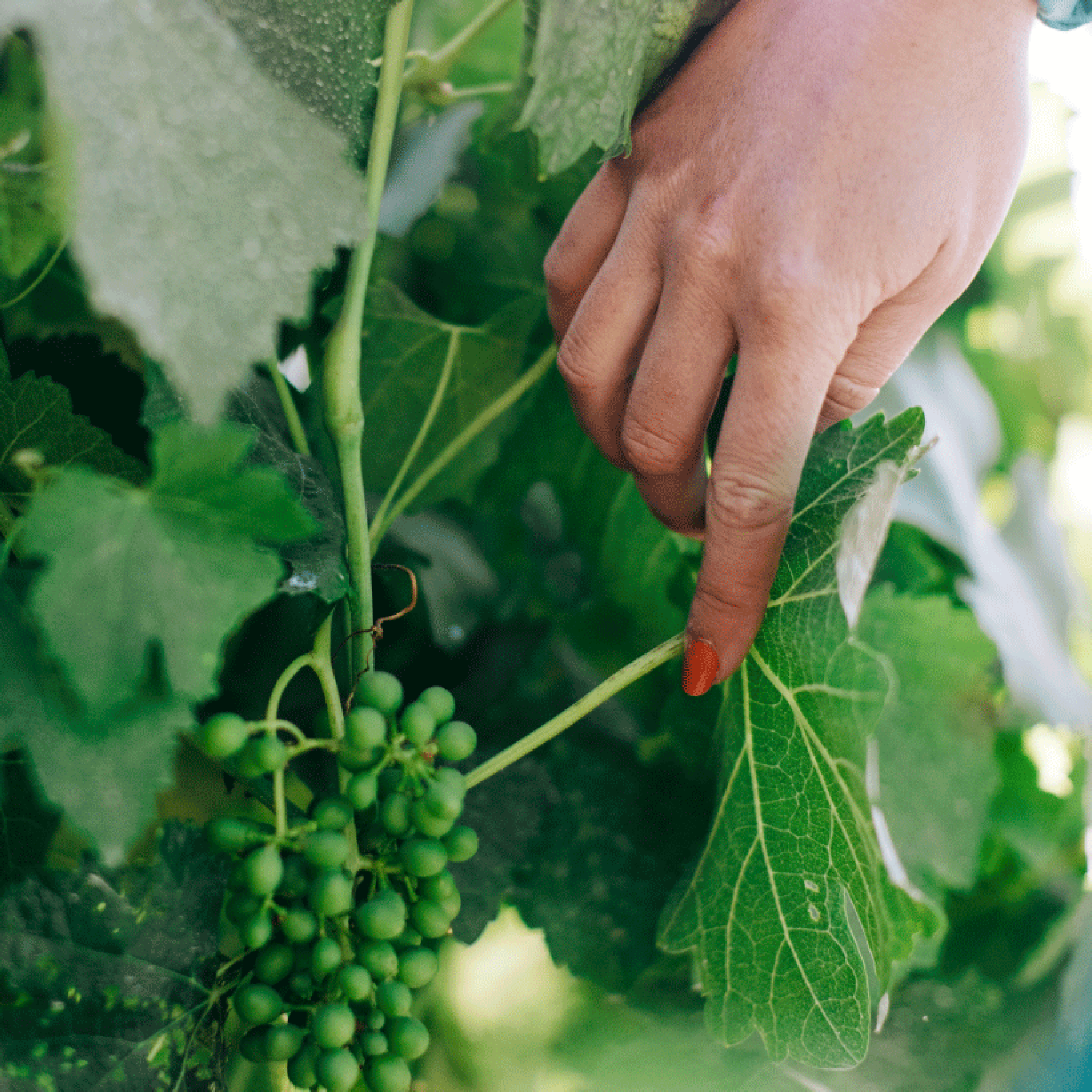
This period spans several weeks after growth commences with the successful completion of bloom and fruit set. Once the vine self-pollinates and fruit set is established, berries begin to expand in volume as cells divide repeatedly. Firm green berries are composed of concentrated acids and tannins – not too tasty yet! This is intentional. Berries are designed to be bitter and astringent at this time, warding off nibbling by birds and animals before seeds are fully formed and ready to be dispersed.
Stage Two: Lag Phase
Marked by a pause in growth as cell division comes to a halt, and the focus shifts to seed development. Here, the acid concentration reaches its highest level, and berries are just about half their final size. When this moment is identified, it is helpful to weigh clusters and get a sense of harvest tonnage estimates. Things may appear to be still, but so much is happening within the fruit during this time.
Stage Three: Ripening and Further Berry Growth
Berry growth resumes along with the exciting arrival of veraison! Veraison (a French term) is the time when berries begin to soften, to lose chlorophyll, and to change in color. The fruit now accumulates sugar and many other soluble compounds, including pigments in the case of red varieties. In contrast, certain acids and tannins begin to decline at this point, and the grapes become sweeter, more flavorful, and deeper in color. Now with the fruit at this stage, the human element of stylistic winemaking comes into play – deciding the perfect intersection of these components to match the balance envisioned in wines.
As winemakers, we often focus on shaping and supporting vineyards in a way that brings us the highest quality fruit and an ideal structure for our work. By following along in the progression of our developing fruit, we can be meticulous in our farming and confident in our picking decisions. With observation and care, we choose to harvest our grapes at the exact moment we believe they demonstrate the freshness and flavor these historic wines are known for.
Renee Berkus, Cellar Master
Back to Top of Page
June 2022
We have given a very warm welcome to the summer months. The temperatures are rising, and our grapevine shoots are climbing with it. As I write, it is pushing into the hundreds…so I thought it fitting to discuss how our vines naturally work with the heat and how we support their health through it.
Grapevine growth is optimal between 75- and 90-degrees Fahrenheit. Above 95-100- degrees, grapevine photosynthetic activity is suspended with the disruption of enzymatic pathways – and vines shift into perseverance mode. Grapevines are adapted with several stress response mechanisms to cope with high heat. Visibly, while walking the vineyards, it is noticeable that grapevines will turn their leaf blades away from the sun to minimize the absorption of solar radiation. But far beyond what we can see, there are numerous thermotolerance pathways that take place to make vines resilient.
Recognizing that heat events are becoming more frequent, our goal in farming is to build our vines’ tolerance to temperature swings and to protect the quality of our fruit. One of the ways in which we do this at Stony Hill is the implementation of a sprawling trellis system named “Elkhorn” after its antler resemblant shape. This creates space for an open and robust canopy. Dappled light filters through this multidimensional canopy to softly ripen fruit and maintain vine balance.
The technique of grafting onto drought tolerant rootstocks is another valuable tool. On our estate we rely on rootstocks with Vitis rupestris parentage – a species native to the southern central United States – that is highly adapted to send roots downwards in search of water at greater depths and soil horizons. On our steep hillside, it is helpful to work with these vigorous rootstocks that are designed to search in pursuit of difficult to reach water. It gives our European Vitis vinifera species (Chardonnay, Riesling, etc.) an extra boost to reach the water below.
The choice to work with no-till cover crop management ensures that our soil is always covered with vegetation. Although our cover crop may now be dormant this time of year and recently mowed, it still serves the purpose to help buffer the soil from dramatic changes in temperature. Reducing soil temperature minimizes the heat radiation from the earth back up towards the grapevines, and it also serves to protect root growth and water uptake during heat periods.
These are just a few of the many methods that can be used in farming to combat the heat. For the most part, our grapevines are enjoying this beautiful weather! We are grateful for the consistent sunshine and warmth that will develop flavor and color in our Stony Hill fruit. We follow along with the development of our vines with great cheer this summer season.
Renee Berkus, Cellar Master
